Sealing surfaces is critical for enhancing durability, stain resistance, and longevity, especially in the demanding environments that construction professionals face. Whether you’re working with natural stone, tile, or concrete, applying the right sealer in the correct way is essential for achieving long-lasting protection. This guide will walk you through the key aspects of sealer application, from understanding the differences between water-based and solvent-based products to selecting the ideal finish for your project. We’ll also share best practices for applying FILA’s high-performance sealers, including MP90 ECO PLUS and FOB, and provide tips for handling common issues like residue removal and curing times.
Water-Based vs. Solvent-Based Sealers
Water-based sealers, such as Stone Sealer Pro, offer several advantages, including faster curing times, no odor, and easy residue removal. These sealers are eco-friendly and can be applied the same day as cleaning, provided the surface is dry. They are ideal for surfaces that don’t require deep penetration, making them a versatile option for various stone types.
On the other hand, solvent-based sealers penetrate more deeply into materials, providing excellent protection for high-traffic areas and highly porous surfaces. These are often preferred for outdoor use and exterior applications. However, they come with a stronger odor and require good ventilation during application. Solvent-based sealers also contain higher VOC levels and require careful residue removal to avoid buildup.
Key Application Rule
When applying sealers, it’s important to follow one key rule: you can apply a solvent-based sealer over a water-based one or another solvent-based sealer, but never the reverse. This ensures compatibility and prevents any application issues.
Preparing the Surface
Proper surface preparation is crucial for the sealer to perform optimally. Start by thoroughly cleaning the surface to remove any dirt, dust, or stains. Any contaminants can interfere with the sealer’s ability to bond and provide long-lasting protection.
Ensure that the surface is completely dry before applying a solvent-based sealer, as moisture can prevent proper penetration. For both types of sealers, always check the manufacturer’s guidelines for temperature and humidity requirements to ensure proper curing.
Essential Tools for Sealer Application
Using the right tools can make a significant difference in the quality of the finished result. Here are the recommended tools for best application:
- Lambswool applicators: These are ideal for even distribution and ensuring the sealer penetrates the surface effectively.
- Microfiber cloths: Essential for wiping away excess sealer and ensuring a streak-free finish.
- Paintbrushes: Useful for applying sealer in smaller, more detailed areas.
- Long-handled applicators: These help ensure even coverage, especially on larger surfaces.
Avoid tools like sponges, which can create uneven coverage, and rollers, which can introduce bubbles and lead to an uneven finish.
Best Practices for Applying Stone Sealer Pro
For Stone Sealer Pro, follow these steps for the best results:
- Ensure the surface is clean and dry.
- Use a lambswool applicator to apply a single coat of sealer evenly.
- Let the sealer sit for 5-10 minutes before wiping away excess with a microfiber cloth.
- For highly absorbent materials, apply a second coat immediately (no third coat is necessary).
- The surface can be walked on after 4 hours, but the full cure time is 24 hours.
In ideal conditions, such as a temperature of around 22°C with standard humidity, the entire process can often be completed within a single day. Extreme temperature or humidity may affect drying times, so always adjust accordingly.
Extra Tips for Optimal Application
To achieve the best results, make sure to apply enough sealer to thoroughly saturate the surface. This will allow the sealer to penetrate effectively for maximum protection. FILA experts recommend using a long-handled applicator to help ensure even penetration and to push the sealer deeper into the surface for optimal protection.
Conclusion
Proper sealer application is essential for ensuring your surfaces remain durable and resistant to stains and damage. By choosing the right sealer—whether water-based like Stone Sealer Pro or solvent-based—and following the best practices outlined here, you can achieve superior results every time. Surface preparation, proper tool selection, and understanding the differences between the two types of sealers will set you up for success in both residential and commercial projects. With these tips, you can ensure your stone, tile, or concrete surfaces remain protected and visually appealing for years to come.
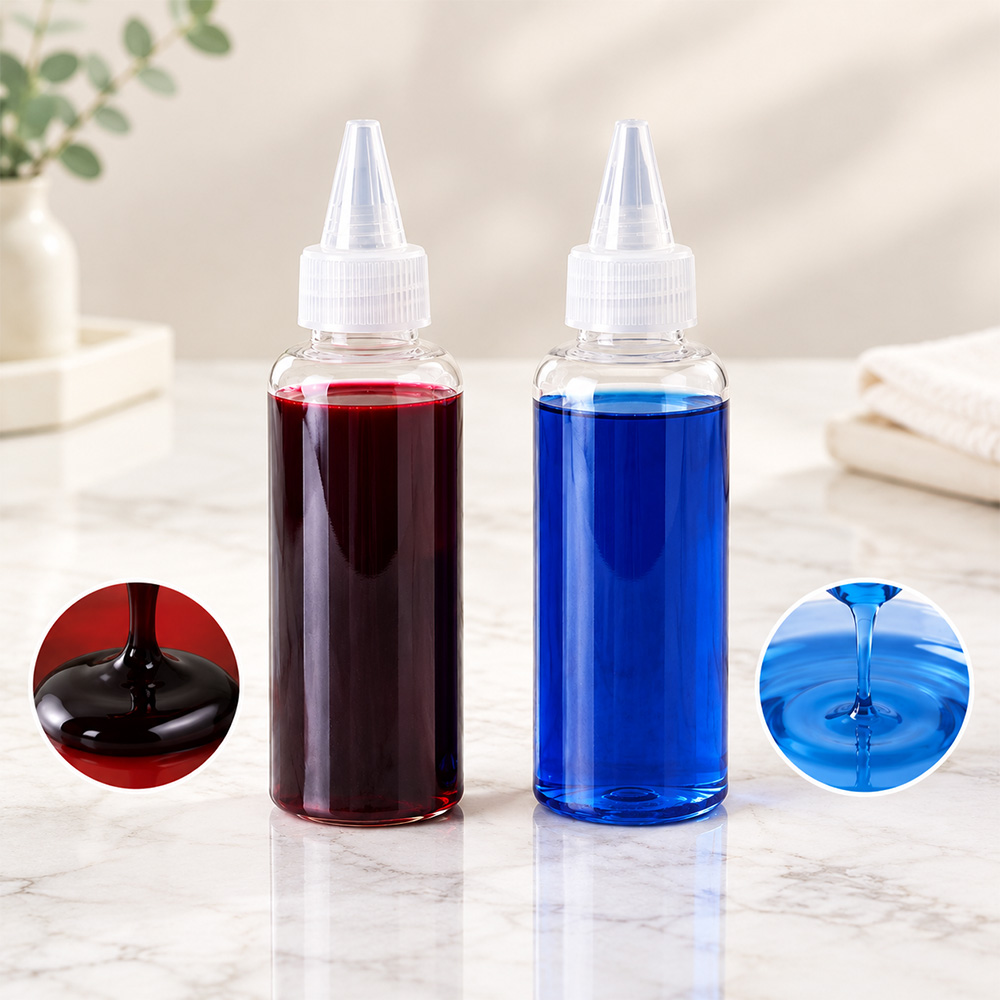 Water-Soluble vs Oil-Soluble Dyes for Candles: Which One Works in Wax?
 Fragrance Oil for Candles: Performance Evaluation Guide
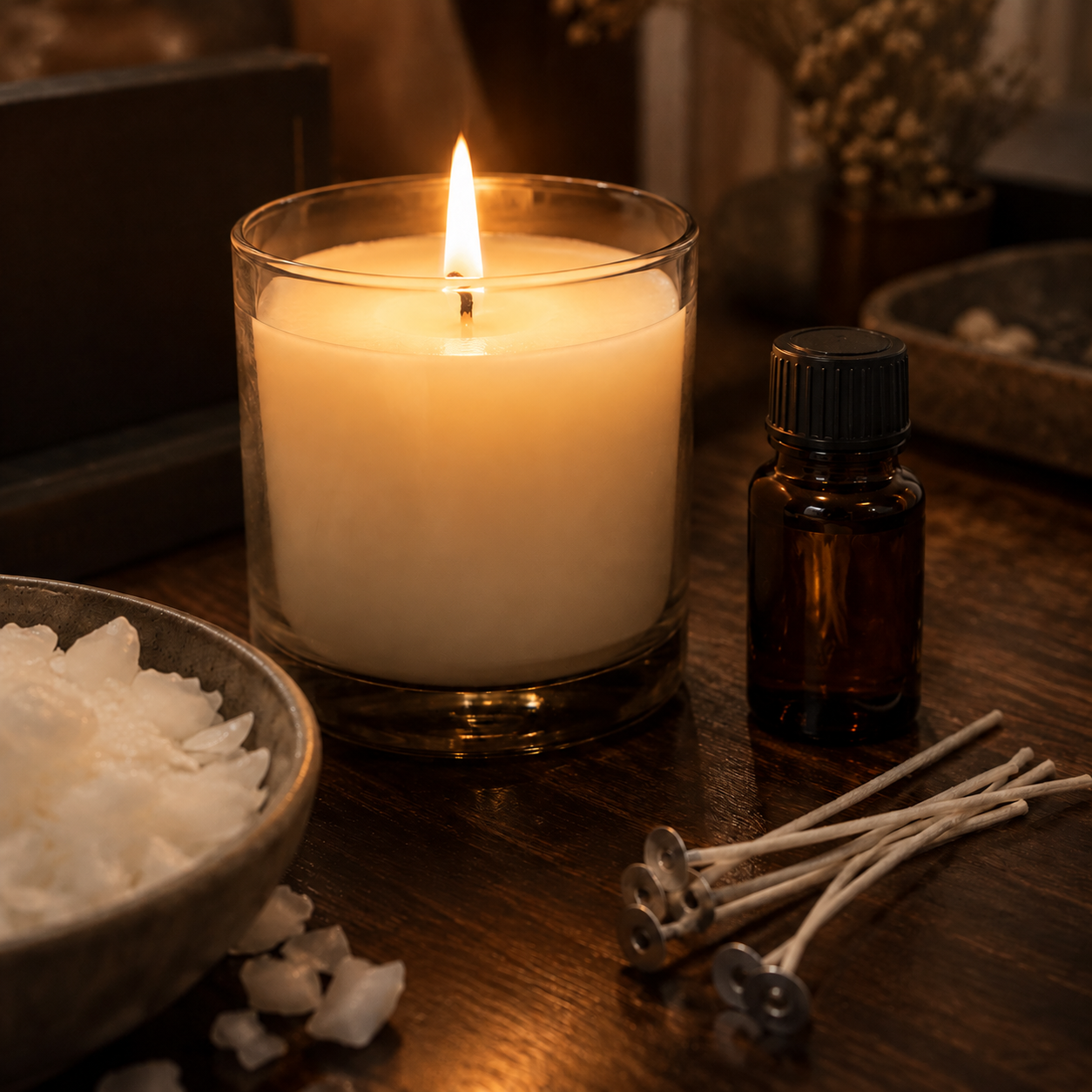 How Fragrance Oils Work in Candles?