Prosthetics and props made of silicone
Silicone prosthetics and props have largely replaced older materials such as latex and similar elastomers in many applications. Their translucency often creates a more lifelike appearance than opaque materials, which usually require extensive surface painting and layering to achieve comparable realism.
Expectations and practical limitations
A common question is how to color silicone props that will be handled frequently in a way that is durable, low-maintenance, and visually convincing. At the same time, many creators hope to achieve the layered, highly detailed appearance commonly seen in film and television productions, using techniques such as airbrushing, stippling, splattering, and glazing.
It is important to recognize that there is no single method that is simultaneously extremely simple, fast, inexpensive, completely durable, and capable of producing the highest-end cinematic results.
Productions that require a true film-quality finish often plan for repeated maintenance, touch-ups, and replacement pieces throughout use.
That said, with a few practical compromises and some unconventional techniques, silicone props can be colored in a highly durable manner while still maintaining a convincing appearance.
The injury piece shown in the example photographs was created for a stage production. The goal was to produce a glossy bleeding wound that could be integrated into a wig and remain completely colorfast despite handling and repeated use. The techniques described below are based on testing and practical experience.
Coloring rather than painting
Anything encapsulated within silicone becomes highly resistant to abrasion, washing, and long-term wear. For this reason, it is often beneficial to achieve as much of the final appearance as possible through internal coloration rather than relying entirely on surface paint.
Highly concentrated silicone-compatible pigments can be mixed directly into the silicone before casting. Because these pigments are often very strong, it is generally advisable to begin with small amounts and increase gradually until the desired coloration is reached.
Fiber additives can be extremely useful for creating a more natural and varied appearance. Fine colored fibers distributed throughout translucent silicone introduce depth and subtle color variation that can mimic the complexity of real skin and tissue.
Different fiber colors can be used to simulate circulation, vascular coloration, mottling, bruising, or other natural variations. Skin-tone fibers can create soft overall coloration, while red and blue tones can suggest blood vessels and underlying tissue.
For best control, pigments and fiber additives are often mixed into one silicone component before the curing reaction begins.
Using a combination of base pigmentation and subtle red and blue fiber inclusions, it is possible to create pale skin effects, scalp coloration, or other realistic tissue tones directly within the silicone. Because the coloration is embedded in the material itself, it cannot be rubbed or washed away.
Painting with silicone
When the primary objective is permanent coloration, silicone-based paints or silicone coatings are generally the most reliable option. Surface coatings made from compatible silicone materials can chemically bond to freshly cast silicone and produce highly durable results.
One important factor is the condition of the silicone surface. Painting is generally most successful when performed shortly after demolding. While older silicone pieces may still accept silicone coatings under certain conditions, freshly cast parts tend to provide the most reliable adhesion.
Heat-curing procedures intended to accelerate silicone curing should be approached carefully, as they may influence later bonding characteristics.
For painting, a small quantity of fast-curing silicone can be mixed with pigment to create a colored coating. Depending on the formulation, there may be only a few minutes of working time before the material begins to set. Once cured, the coating can become permanently bonded to the underlying silicone.
A hair dryer or warm airflow may accelerate curing in some systems.
For thinner washes and more transparent effects, the mixture can be diluted using a suitable solvent compatible with the silicone system being used. Appropriate ventilation and safety precautions should always be observed when working with solvents.
By adjusting pigment concentration and dilution, it is possible to create subtle color veils, translucent washes, and smooth gradients. Stipple sponges and textured applicators help produce irregular, organic-looking coloration.
Close inspection reveals that this approach can produce delicate transitions and layered effects that remain convincing even under detailed photographic scrutiny.
For additional visual complexity, color can also be splattered using a stiff brush or toothbrush.
For splatter effects, a slightly thicker and more heavily pigmented mixture generally works best.
Some artists also apply these mixtures through airbrush systems equipped with sufficiently large nozzle sizes. While this can produce effective results, equipment cleaning may require significantly more effort than manual application methods.
An interesting characteristic of thicker silicone color mixtures is their ability to create slight surface relief. Raised details such as veins can be enhanced through controlled application.
Simulating wet blood effects
In the stage-production example, the objective was to create the appearance of fresh liquid blood without any risk of staining nearby materials.
When combined with appropriate sculptural details in the original piece, the flow characteristics of pigmented silicone can be used to convincingly imitate liquid substances while remaining completely solid after curing.
Heavily pigmented silicone can produce a slightly translucent appearance that resembles fresh blood.
Depending on consistency, it can be brushed, spatulated, poured into recesses, spread across surfaces, or splattered to create a wide variety of blood effects.
Once cured, these applications can form glossy surfaces that convincingly simulate wet accumulations and pools.
If surface gloss diminishes through handling or cleaning, a compatible gloss-restoring treatment can often restore the original appearance without affecting surrounding materials.
Durability
When properly cured and bonded, silicone-based coloration becomes extremely resistant to peeling, washing, stretching, bending, and handling.
The coating remains integrated with the silicone substrate rather than forming a brittle surface layer. Long-term test pieces have shown little visible degradation after extended storage and normal use.
Conclusion
Achieving durable coloration on silicone props requires a combination of internal pigmentation, thoughtful material selection, and compatible silicone-based surface treatments.
While no single method completely eliminates maintenance requirements in every situation, these techniques can produce realistic, long-lasting results suitable for stage, film, and special-effects applications.
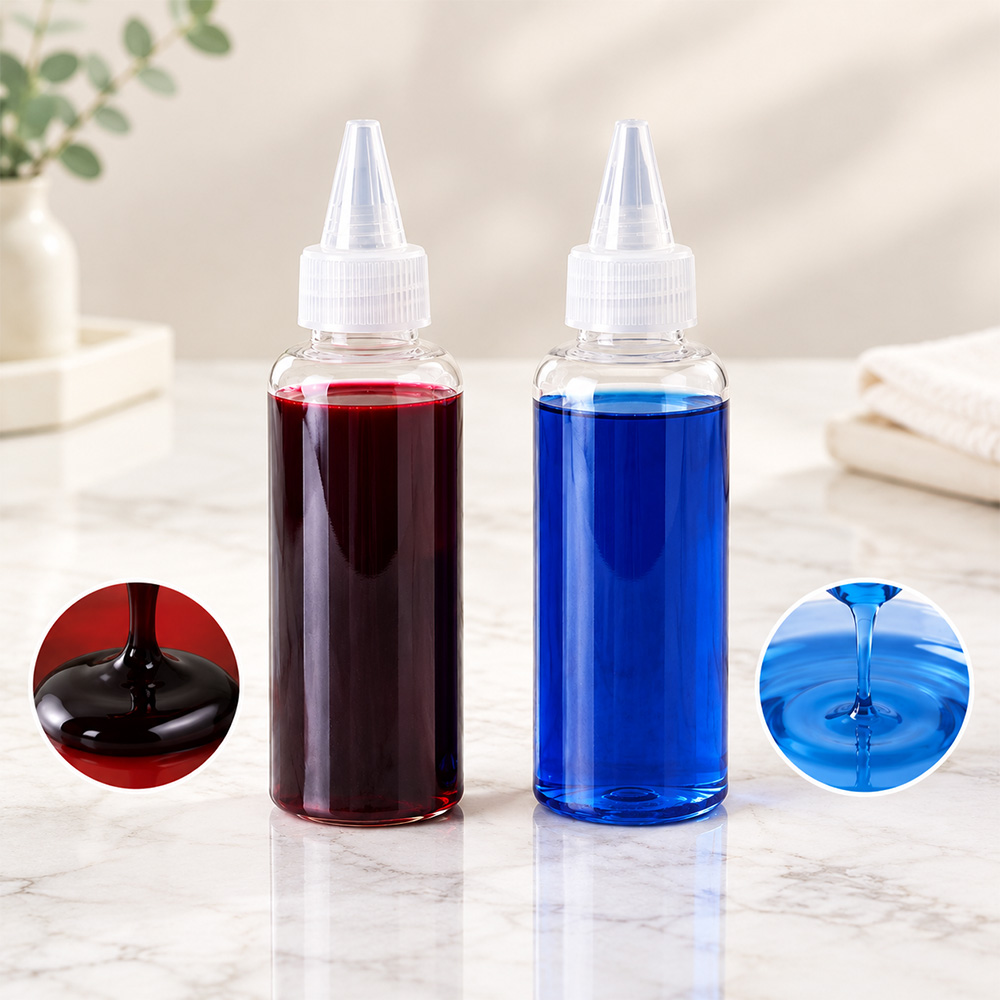 Water-Soluble vs Oil-Soluble Dyes for Candles: Which One Works in Wax?
 Fragrance Oil for Candles: Performance Evaluation Guide
 How Fragrance Oils Work in Candles?