Colouring candles is one of the most accessible ways to customize handmade décor. Whether you’re creating candles from raw wax or updating existing ones with new colours and finishes, understanding how different colouring methods work can help you achieve more consistent and attractive results.
From subtle neutral shades to vibrant decorative effects, candle colouring combines material science with creativity. The choice of colourant, application method, and wax type all influence the final appearance of the candle. This guide explores the most common approaches to candle colouring and explains how different materials interact with wax.
Why Colour Candles?
Candles are often used as both functional and decorative objects. Colour allows makers to coordinate candles with interior design styles, seasonal themes, special occasions, or personal preferences.
Unlike many decorative materials, candles must maintain their burning characteristics after being coloured. For this reason, selecting suitable colouring agents and application techniques is an important part of the process.
Modern candle-making offers a wide range of possibilities, from single-colour designs to layered effects, gradients, dipped finishes, painted surfaces, and multi-coloured decorative pieces.
Materials Commonly Used for Candle Colouring
Before beginning any colouring project, it is useful to understand the materials involved.
Wax or Existing Candles
The starting point may be newly melted wax intended for casting or an existing candle that will be modified or decorated.
Colourants
Several types of colourants can be used depending on the desired effect. Some are designed specifically for wax, while others may be suitable under certain conditions.
Heating Equipment
Wax must generally be melted before colour can be incorporated. A double boiler is commonly used because it allows gradual and controlled heating.
Mixing and Application Tools
Stirring sticks, brushes, pipettes, and other small tools help distribute colour evenly or create decorative surface effects.
Protective Equipment
Heat-resistant work surfaces and gloves can help improve safety when working with melted wax.
Candle Wicks
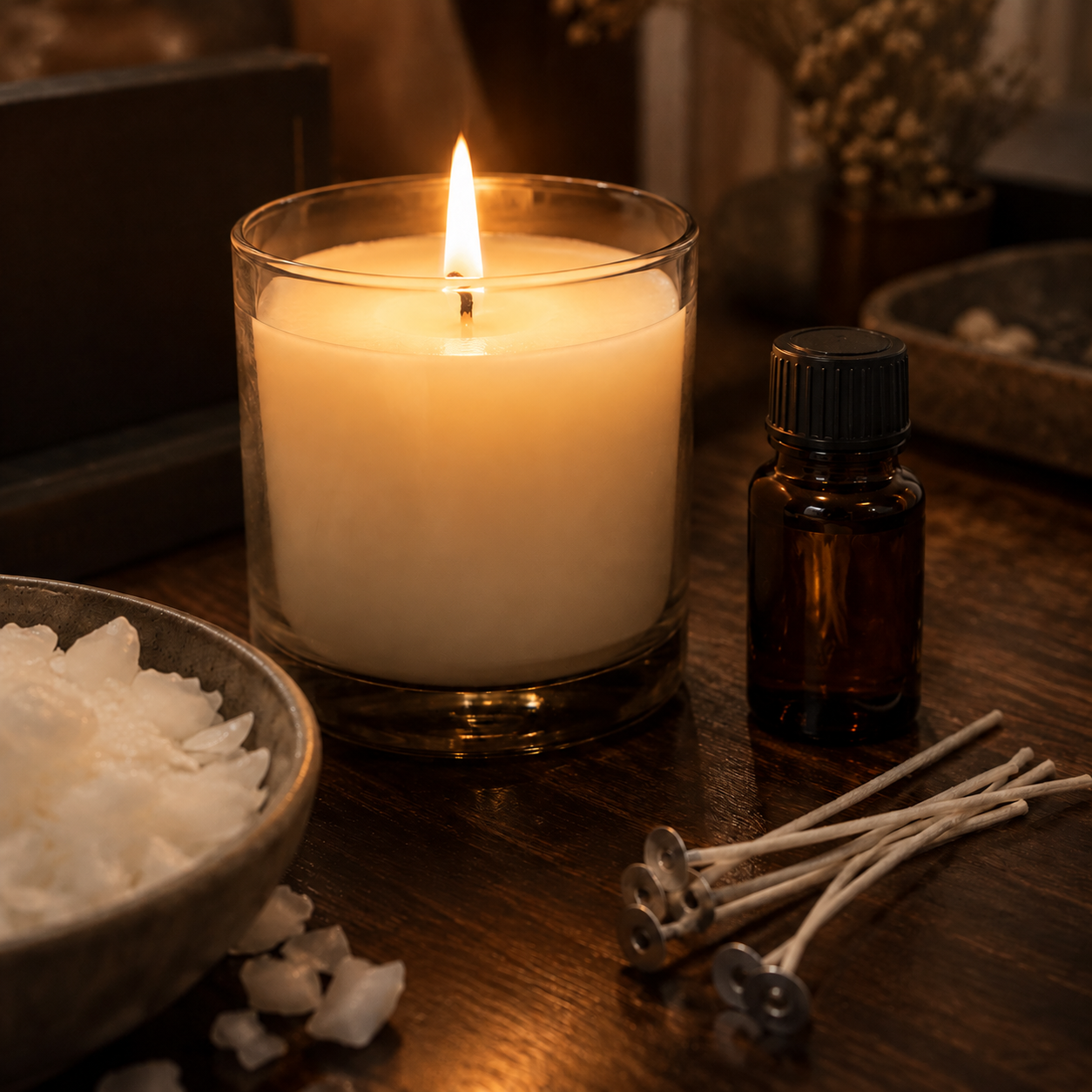
When making candles from scratch, an appropriately sized wick is required to ensure proper burning performance.
How Colour Interacts with Wax
Wax behaves differently from materials such as paint, water, or clay. Since wax is oil-based, not every colouring substance mixes effectively with it.
For the most uniform results, colourants should disperse evenly throughout the melted wax without separating during cooling. The concentration of colourant determines the final shade, while the transparency of the wax influences colour depth and brightness.
Colour intensity can usually be adjusted gradually, allowing makers to create anything from delicate pastel tones to highly saturated colours.
Colouring Wax During the Melting Process
One of the most common methods involves introducing colour directly into melted wax before the candle is formed.
The process generally follows several steps:
1. Melt the wax using gentle heat.
2. Add the chosen colourant.
3. Stir thoroughly until the colour is evenly distributed.
4. Pour the coloured wax into a mould or container.
5. Allow the candle to cool and solidify completely.
Because the colour becomes integrated throughout the candle, this approach produces a consistent appearance from the exterior to the interior.
This method is particularly suitable for creating solid-colour candles, layered designs, or colour gradients.
Using Wax-Soluble Colourants
Colourants specifically developed for wax are among the most reliable options for candle making.
These materials are formulated to disperse evenly within melted wax and typically provide predictable colour results. Small amounts often produce noticeable colour changes, making gradual adjustment important.
Wax-soluble colourants are commonly used when consistency, colour accuracy, and repeatability are priorities.
They also make it easier to experiment with blending multiple colours to create custom shades.
Using Crayons as a Colour Source
Crayons are sometimes used as an alternative colouring material because they melt readily when heated.
The general approach involves adding small pieces of crayon to melted wax and stirring until the colour appears evenly distributed.
This method can produce a wide variety of colours and is often used in experimental or decorative projects.
However, results may vary depending on the composition of the crayons and the type of wax being used. Different formulations can affect colour intensity, texture, and burning performance.
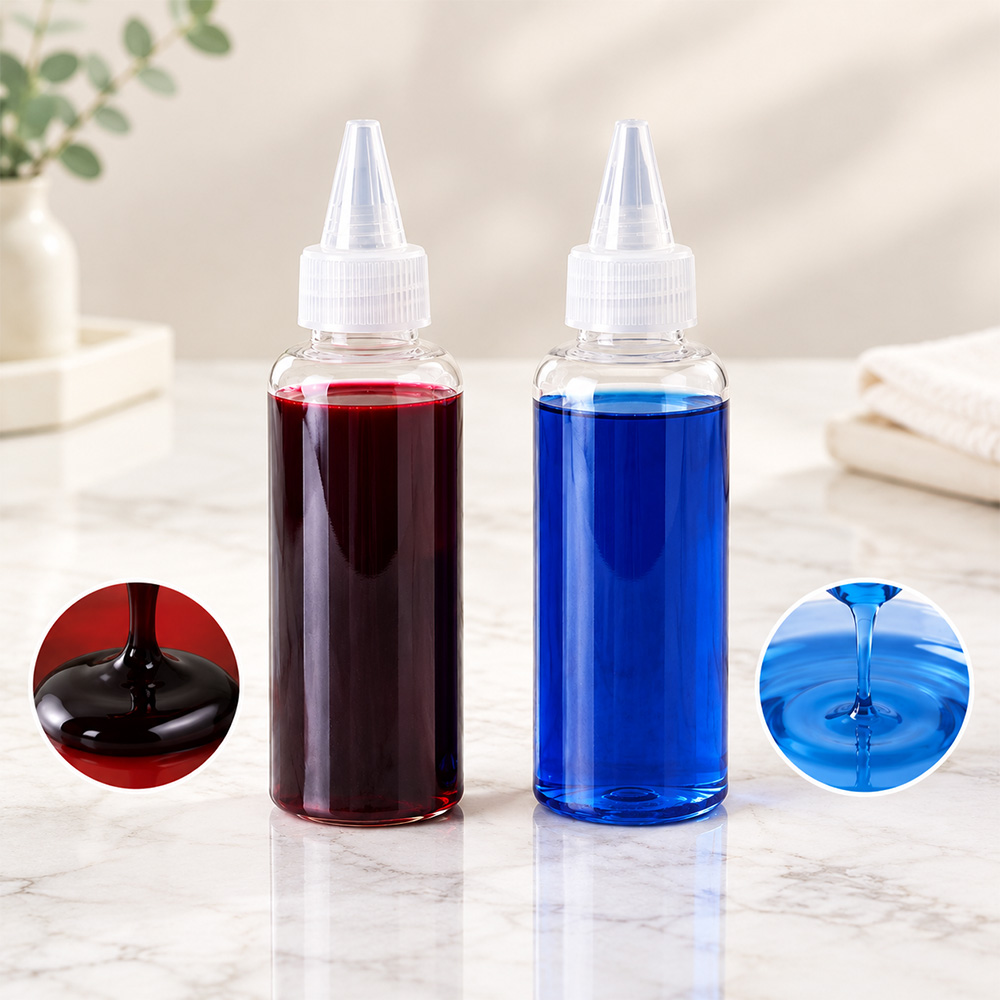
Using Food Colouring
Food colouring is another material that is sometimes explored for candle projects, although compatibility depends heavily on the specific product.
Since many food colourings are water-based and candle wax is oil-based, mixing can be inconsistent. Oil-soluble or powdered colourants generally interact more effectively with wax than water-based liquids.
The typical process remains similar:
* Melt the wax.
* Add the colouring.
* Mix thoroughly.
* Pour and cool.
The final appearance depends on how well the colourant disperses throughout the wax.
Surface Colouring and Decorative Painting
Not all candle colouring needs to occur inside the wax itself.
Many decorative techniques involve applying colour directly to the exterior surface after the candle has already been formed.
This approach allows for:
* Patterns
* Illustrations
* Geometric designs
* Textured finishes
* Hand-painted decorations
Brushes are commonly used to apply paint or decorative coatings to the candle surface. Depending on the desired effect, the entire candle may be coloured or only selected areas.
Surface decoration offers considerable creative flexibility because it allows designs that would be difficult to achieve through internal colouring alone.
Layering and Multi-Colour Designs
One of the most effective ways to create visual interest is through layering.
Instead of pouring a single colour of wax, multiple layers can be poured sequentially. Each layer is allowed to partially cool before the next colour is added.
This technique can create:
* Horizontal colour bands
* Gradient transitions
* Striped candles
* Geometric colour divisions
The more layers added, the more complex the final appearance becomes.
Patience is particularly important during layered projects, since premature pouring may cause colours to blend unintentionally.
Dipped Candle Techniques
Dipping is a traditional colouring method that creates distinctive visual effects.
In this process, a candle is repeatedly immersed into melted coloured wax. Each dip adds a thin new layer of colour to the exterior surface.
The procedure generally follows these steps:
1. Prepare a batch of coloured wax.
2. Dip the candle briefly.
3. Allow the layer to cool.
4. Repeat as needed.
Multiple colours can be applied by preparing separate containers of coloured wax and repeating the process with each colour.
The resulting finish often displays attractive transitions between layers and can create a handcrafted appearance.
Working with Pigments
Pigments provide another option for candle colouring.
Available in powder and liquid forms, pigments are often highly concentrated and capable of producing strong colour intensity.
When using pigments:
* Melt the wax completely.
* Add a small quantity of pigment.
* Stir thoroughly.
* Evaluate the colour.
* Adjust if necessary before pouring.
Because pigments can vary significantly in strength, gradual addition usually provides the greatest level of control.
Pigments are particularly useful when precise colour matching or bold colour effects are desired.
Additional Creative Possibilities
Once basic colouring techniques are understood, they can be combined in numerous ways.
For example, a candle may contain:
* Coloured wax internally
* Surface-painted details
* Multiple poured layers
* Dipped colour accents
* Decorative textures
* Fragrance additions
Combining techniques often produces more visually complex and distinctive results than relying on a single colouring method.
Experimentation is often an important part of the process, since different waxes, colourants, and application methods can produce unique effects.
Safety and Practical Considerations
When colouring candles, safety should remain a priority.
Wax should always be heated gradually and monitored carefully. Colourants intended for candle use are generally preferable because they are formulated to perform under the conditions associated with burning candles.
It is also important to allow finished candles to cool and harden completely before handling or lighting them.
A clean workspace, proper ventilation, and attention to material compatibility can help ensure consistent results.
Conclusion
Candle colouring combines creativity with an understanding of materials and technique. Whether colour is incorporated directly into melted wax, applied through dipping methods, added with pigments, or painted onto the finished surface, each approach offers unique advantages and visual effects.
By understanding how wax interacts with different colouring materials and by experimenting with various application methods, it is possible to create candles that range from simple single-colour designs to complex decorative pieces. The wide variety of available techniques makes candle colouring a versatile and rewarding aspect of candle making and decorative craft work.
 Water-Soluble vs Oil-Soluble Dyes for Candles: Which One Works in Wax?
 Fragrance Oil for Candles: Performance Evaluation Guide
 How Fragrance Oils Work in Candles?