Glass paint is an incredibly versatile product that offers both beauty and functionality. Whether you’re looking to add a splash of color, protect surfaces, or restore old furniture, it’s a fantastic solution for many materials like glass, tiles, and wood. This guide explores some creative and practical ways to use glass paint in your home.
Glass Paint for Walls and Surfaces
Reverse Painted Backsplashes
Glass has been a staple in architectural design for centuries. Once primarily used for windows, it has evolved into a sought-after material for modern interiors due to its elegance, durability, and light-enhancing properties. While glass is sometimes viewed as fragile, it can be incredibly strong in the right applications.
A reverse painted glass backsplash offers a stylish alternative to traditional tiles or painted surfaces. Not only is glass easy to clean and water-resistant, but it also adds a sleek and sophisticated touch to kitchens and bathrooms. Combined with protective laminates like Plexiglas, it’s a cost-effective way to achieve a high-end look.
Revamping Furniture with Glass Paint
Updating Old Furniture
Furniture often suffers from wear and tear over the years. However, a simple glass top can breathe new life into old pieces. It‘s an excellent way to refresh coffee tables, desks, and even dining tables, giving them an elegant and modern feel.
Coffee Table Makeover
Coffee tables endure a lot of use, from scratches to water stains. A painted glass top can cover imperfections while creating an upscale look. Just purchase a piece of tempered glass that fits your table, apply the paint, and allow it to cure for 48 hours. If you want a more permanent solution, secure the glass with neutral cure silicone adhesive.
Desk Protection
Desks are subject to daily wear and tear, but a glass top can protect the surface and make it easier to clean. Apply the are to a piece of tempered glass and place it on top of your desk once it’s dry. For homes without pets or children, a thicker, untampered glass may be sufficient.
Dining Table Protection
Dining tables are often exposed to heat and spills. By adding a glass top, you protect the surface while enhancing its appearance. Be sure to use tempered glass for safety. After painting the glass, attach it to the table with silicone adhesive.
Glass Paint in the Bathroom
Using Glass Paint in Moist Environments
The bathroom is an ideal area for glass paint, as it combines decorative appeal with functionality. Here are some ideas to incorporate it into your bathroom design:
Privacy Windows
Frosted or pebbled glass windows are common in bathrooms but can be costly or ineffective. Glass paint provides a cost-effective solution for creating privacy while still allowing light to shine through. You can achieve a frosted or textured effect using glass paint.
Transforming Bathroom Tiles
Plain tiles in the bathroom can be given a makeover with glass paint. The paint bonds to glazed tiles, making it easy to match colors or create custom patterns to complement your bathroom décor.
Reverse Painted Backsplashes for the Bathroom
Bathrooms are constantly exposed to water, so protecting the walls around sinks is important. A reverse painted glass backsplash is both a functional and stylish solution that’s easy to clean and maintain.
Glass paint is a versatile and practical way to enhance the beauty and durability of various surfaces in your home. Whether you’re refreshing furniture, adding a decorative touch to your bathroom, or protecting high-use areas, this medium offers endless possibilities for DIY projects. Easy to apply and adaptable to many materials, glass paint is an excellent choice for anyone looking to create a modern and functional home.
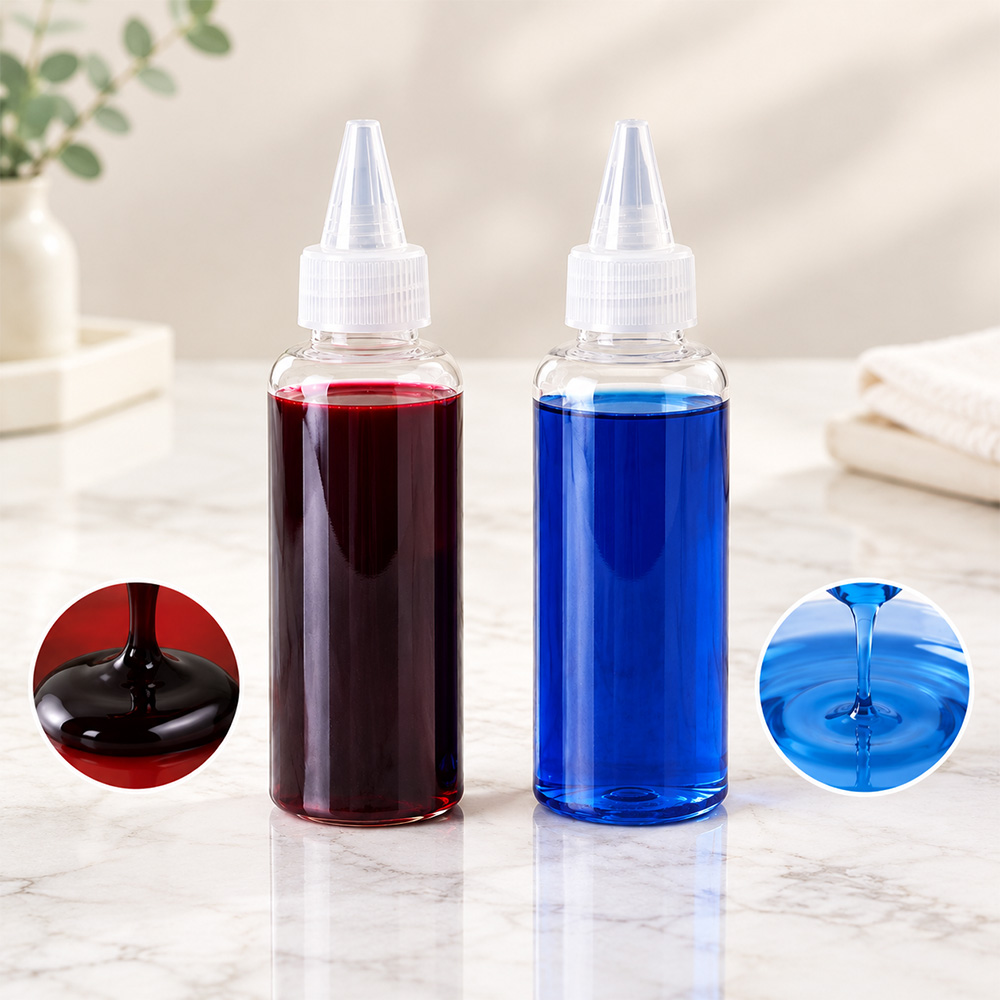 Water-Soluble vs Oil-Soluble Dyes for Candles: Which One Works in Wax?
 Fragrance Oil for Candles: Performance Evaluation Guide
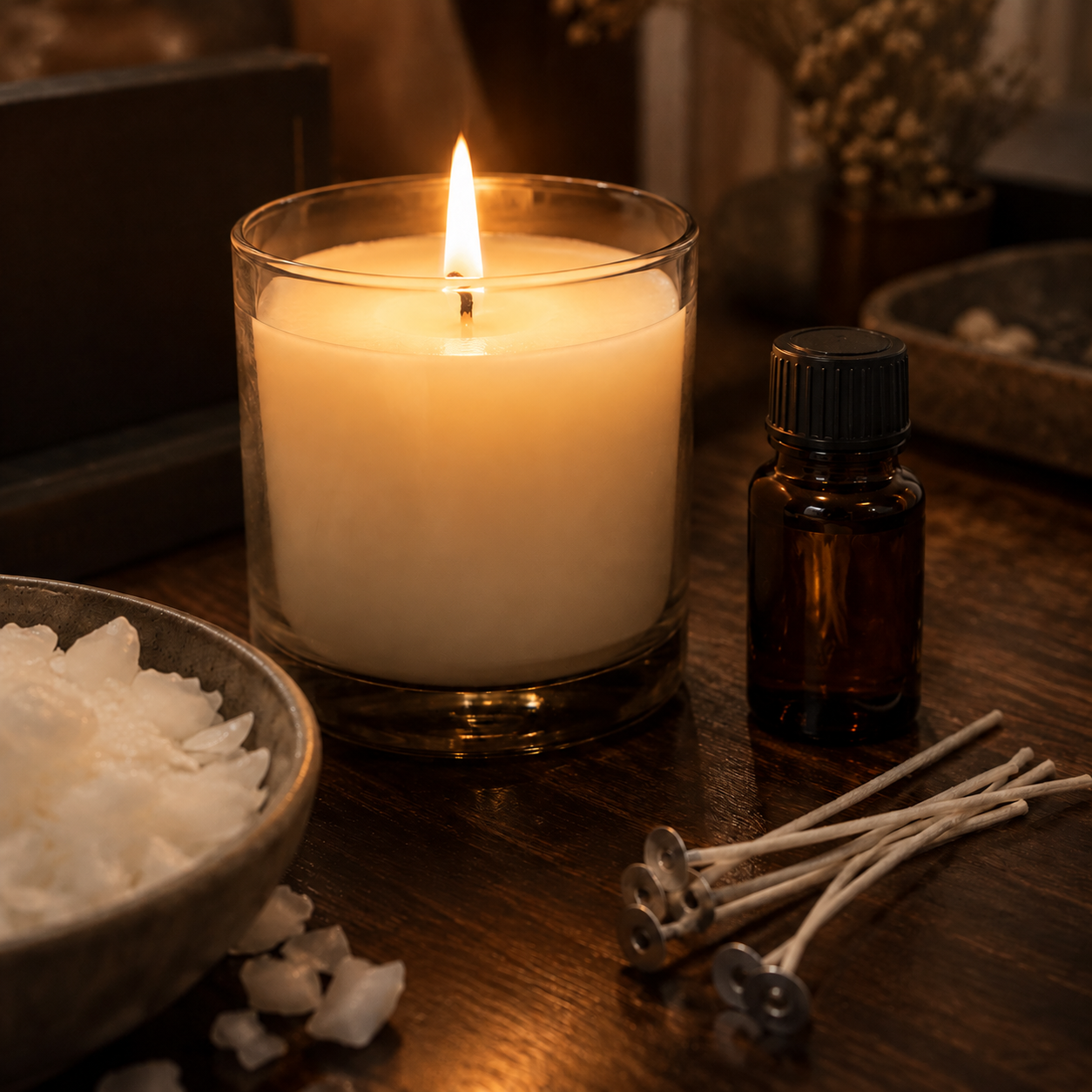 How Fragrance Oils Work in Candles?