Whether you’re creating silicone coasters, candle holders, phone cases, molds, or decorative home accessories, adding color is one of the easiest ways to transform a simple design into a finished product. Among the many coloring options available, pigment paste is widely used for achieving rich, consistent colors in silicone applications.
Why Use Pigment Paste in Silicone?
Silicone can be challenging to color evenly, especially when strong, opaque shades are required. Pigment paste is formulated with highly concentrated colorants dispersed in a carrier system, making it easier to achieve vibrant colors without significantly affecting the properties of the silicone.
Many makers and manufacturers choose pigment paste because it offers:
- High color concentration
- Good color consistency throughout the material
- Strong opacity when needed
- Easy dosage control
- Compatibility with many silicone systems
How to Use Pigment Paste in Silicone Molds
- Select Your Desired Color: Choose a color that matches the look you’re trying to achieve.
- Prepare the Silicone: Mix your silicone components according to the manufacturer’s instructions.
- Add Pigment Paste Gradually: Start with a small amount of pigment paste. Typical loading levels range from 0.1% to 5% by weight.
- Mix Thoroughly: Blend until the color appears completely uniform.
- Pour and Cure: Pour the silicone into the mold and allow it to cure according to the recommended schedule.
Pigment Paste vs. Liquid Pigments vs. Powder Pigments
Liquid Pigments
Advantages:
• Easy to disperse
• Convenient for small projects
• Suitable for transparent effects
Powder Pigments
Advantages:
• Excellent for artistic and textured effects
• Wide variety of finishes available
Pigment Paste
Advantages:
• Highly concentrated
• Uniform color distribution
• Strong opacity and color depth
Common Silicone Coloring Challenges
Uneven Color or Streaking
Possible causes include insufficient mixing time, pigment added too quickly, or high-viscosity silicone systems.
Color Appears Lighter After Curing
Factors include silicone transparency, pigment concentration, and mold surface finish.
Air Bubbles in Colored Silicone
Mixing too aggressively can introduce air. Controlled mixing and degassing can help.
Expanding Creative Possibilities
Color plays an important role in the final appearance of silicone products. With the right pigment system, a simple mold can become a decorative centerpiece, a professional-looking prototype, or a finished commercial product.
Choosing a Pigment for Your Application
Consider:
• Compatibility with your silicone system
• Color consistency between batches
• Required opacity or transparency
• Ease of processing
• Long-term color stability
• Technical support from the supplier
Final Thoughts
Pigment paste remains a popular choice for many silicone applications due to its concentrated color strength, ease of use, and ability to produce consistent results. However, liquid pigments and powder pigments can also be valuable options depending on the effect you want to achieve.
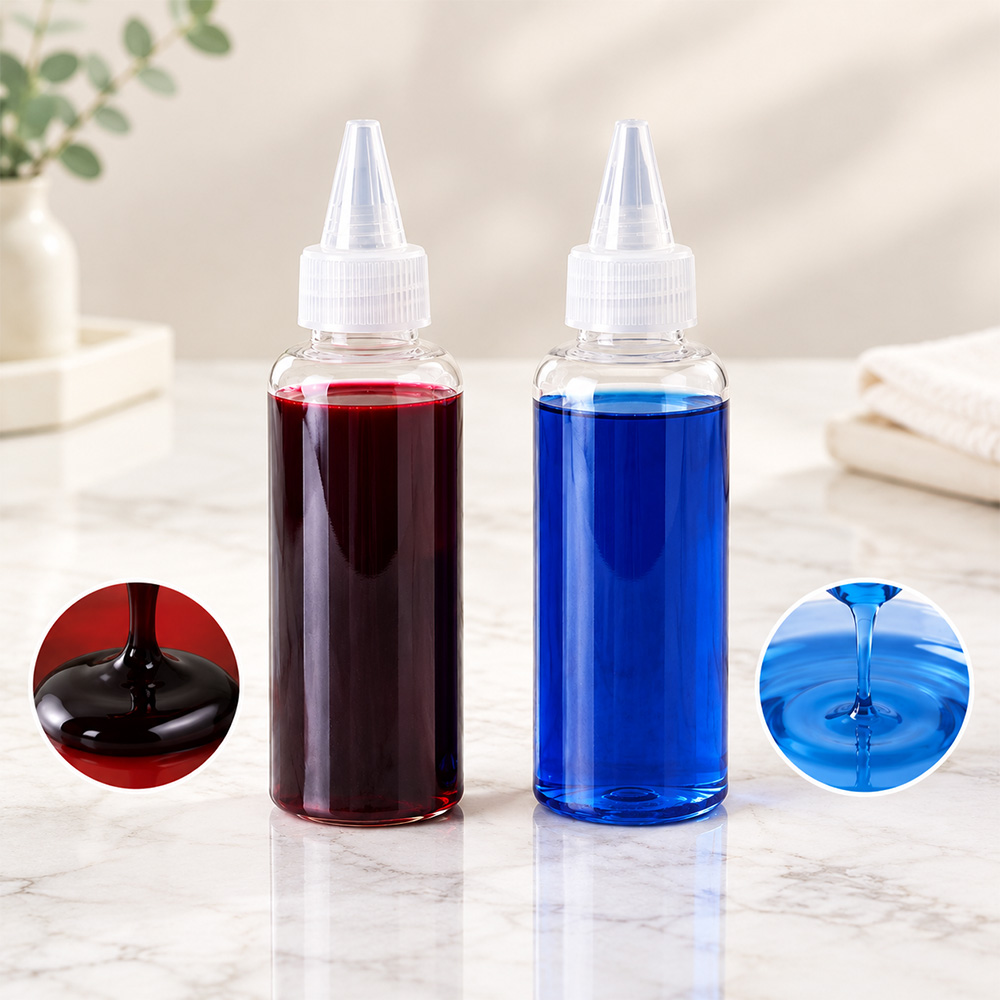 Water-Soluble vs Oil-Soluble Dyes for Candles: Which One Works in Wax?
 Fragrance Oil for Candles: Performance Evaluation Guide
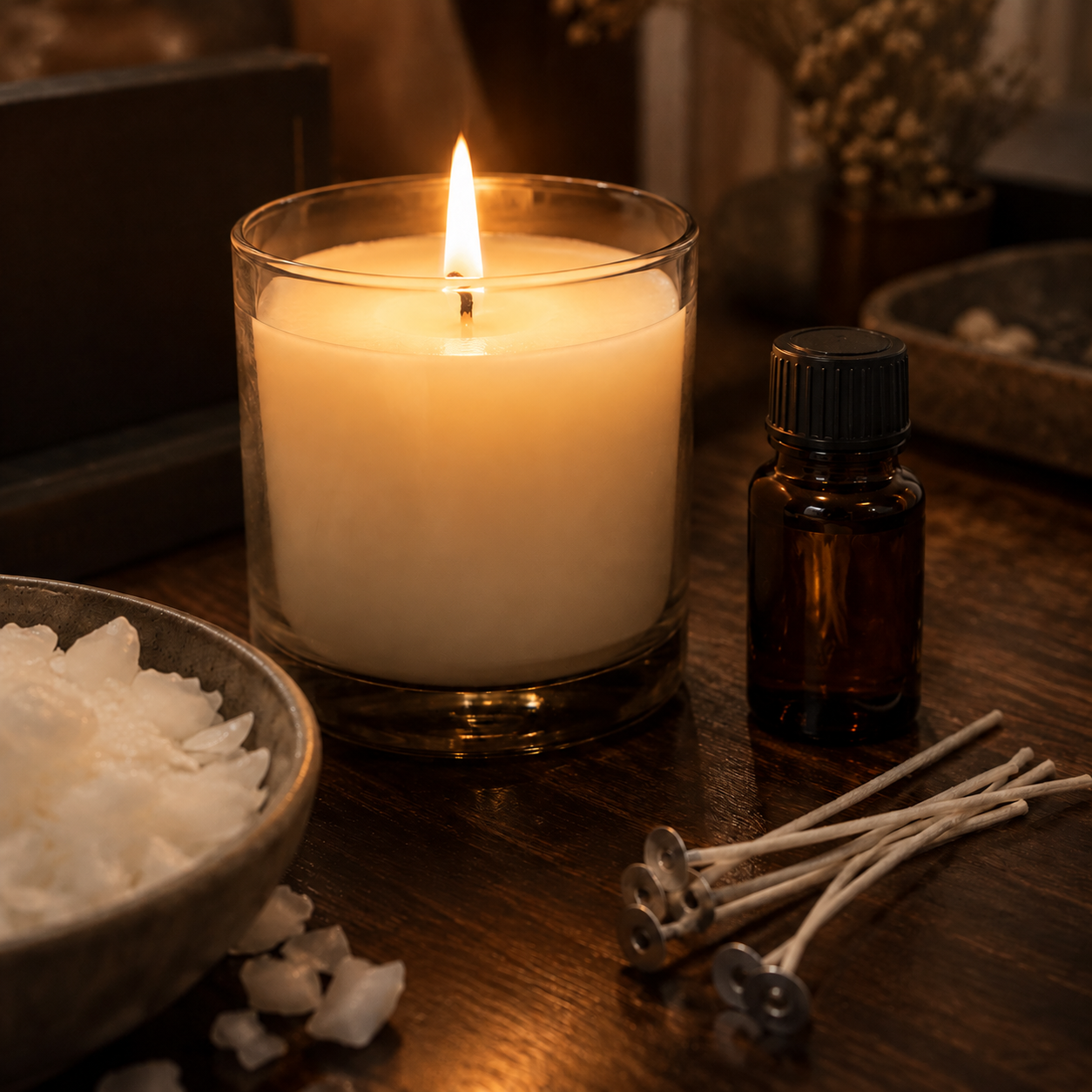 How Fragrance Oils Work in Candles?