One of the most common questions we hear from customers working with silicone is: “How much silicone pigment should I add?” Whether you are producing silicone molds, seals, gaskets, crafts, or industrial components, achieving the right color often requires more than simply adding pigment and hoping for the best.
The truth is that there is no universal formula that works for every application. The ideal pigment loading depends on several variables, including the color you want to achieve, the type of silicone you are using, the concentration of the pigment, and even your mixing process. Understanding these factors can help you produce more consistent and professional results.
Start with a Practical Range
For most silicone applications, a pigment loading between 0.5% and 2% of the total silicone weight is a reliable starting point. This range is suitable for many common colors and provides enough flexibility to adjust the shade without significantly affecting the properties of the silicone.
For example, if you are mixing 100 grams of silicone, you can begin by adding 0.5 to 2 grams of silicone pigment. After thoroughly blending the mixture, evaluate the color and make small adjustments if necessary. Starting with a conservative amount is usually preferable because it is much easier to add more pigment than to correct an overly concentrated mixture.
Color Intensity Makes a Big Difference
The desired color intensity is often the first factor that determines how much pigment is required. Light pastel shades generally need only a small amount of pigment, while deep and vibrant colors require higher loading levels.
In practical production, a soft pink or light blue may look perfect at less than 1% pigment concentration, whereas a bright red, dark blue, or rich black may require considerably more pigment to achieve the desired saturation. Because different pigments have different tinting strengths, two colors may not require the same loading even when the visual intensity appears similar.
The Silicone Base Matters
Not all silicone materials behave the same way when pigments are introduced. Transparent silicone and opaque silicone often produce noticeably different results, even when the exact same pigment ratio is used.
Transparent silicone tends to allow light to pass through the material, making colors appear brighter and more vivid. Opaque silicone, on the other hand, may require additional pigment to achieve comparable color strength because the base material can reduce the visual impact of the pigment.
The formulation of the silicone itself can also influence pigment dispersion and color development. For this reason, a ratio that works well in one silicone system may need adjustment when used with another.
Pigment Quality Influences Usage Rates
Another factor that is frequently overlooked is pigment quality. High-quality silicone pigments are typically more concentrated and offer stronger coloring performance. As a result, smaller amounts are often sufficient to achieve the desired shade.
Lower-quality pigments may require higher loading levels to produce the same visual effect, which can make color matching more difficult and increase material consumption. Consistency is equally important. Reliable pigments help manufacturers reproduce the same color from batch to batch, reducing waste and minimizing production variations.
Why Small-Scale Testing Is Worth the Time
Even with general guidelines, trial testing remains one of the most valuable steps in the coloring process. Whenever a new color or formulation is being developed, creating a small test batch can save significant time and material costs later.
A simple sample allows you to observe how the pigment behaves in the silicone system and whether the final color matches your expectations after curing. If the shade appears too light, additional pigment can be added gradually until the desired result is achieved. Keeping records of pigment percentages and final color outcomes also makes future production much easier and more consistent.
Proper Mixing Is Essential
The amount of pigment is important, but the way it is mixed into the silicone can be just as critical. Even an accurate pigment ratio can produce disappointing results if the pigment is not evenly dispersed throughout the material.
Thorough mixing helps eliminate pigment agglomerates and prevents streaks, spots, or uneven coloration. Many manufacturers use mechanical mixers or high-shear mixing equipment to achieve uniform dispersion, especially when producing larger batches. Consistent mixing ensures that the finished product displays the intended color across its entire surface.
Different Applications May Require Different Ratios
Over the years, we have noticed that pigment requirements often vary depending on the intended application. Silicone molds typically require only a modest amount of color because appearance is usually secondary to functionality. Decorative silicone products and artistic creations often demand stronger, more vibrant colors, leading to higher pigment loadings.
For seals, gaskets, and industrial parts, color is frequently used for identification or product differentiation rather than aesthetics. In these cases, moderate pigment levels are usually sufficient to achieve clear visual distinction while maintaining the performance characteristics of the silicone.
Using Silicone Oil Alongside Pigments
In some formulations, silicone oil is added to improve flow characteristics, processing performance, or pigment dispersion. When silicone oil is introduced, it can slightly affect the visual strength of the pigment because it changes the overall composition of the mixture.
As a result, a small adjustment to the pigment loading may be necessary to maintain the desired color intensity. Manufacturers should also verify that the selected silicone oil is compatible with the silicone system being used, as certain formulations may respond differently during curing.
In many cases, adding a small percentage of silicone oil can improve workability and help achieve smoother pigment distribution, but testing remains essential before full-scale production.
Final Thoughts
Determining the right amount of silicone pigment is a balance between technical guidelines and practical testing. While a loading range of 0.5% to 2% provides an excellent starting point for most applications, the final ratio will depend on factors such as color intensity, silicone type, pigment concentration, and processing conditions.
By starting with small test batches, carefully monitoring results, and maintaining consistent mixing procedures, manufacturers can achieve reliable color performance and high-quality silicone products. Taking the time to fine-tune pigment loading at the beginning of a project often leads to better appearance, lower material waste, and more consistent production outcomes in the long run.
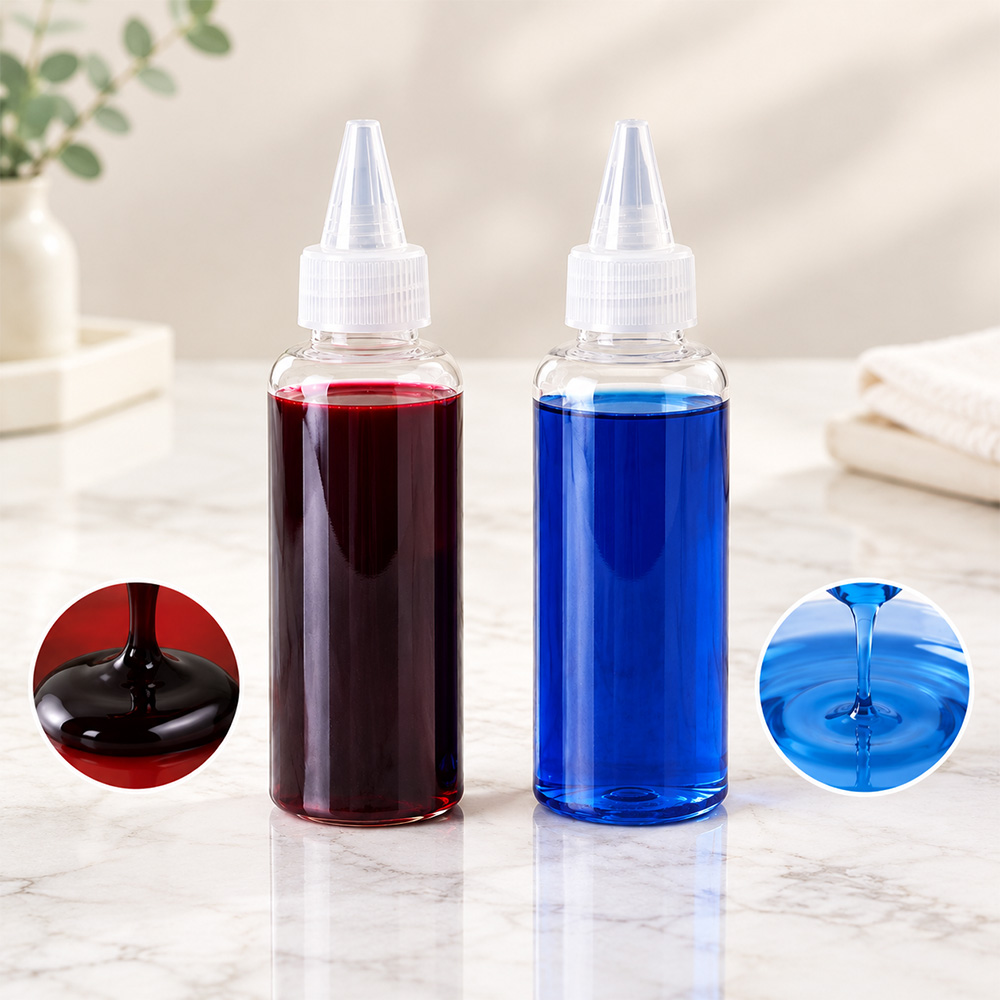 Water-Soluble vs Oil-Soluble Dyes for Candles: Which One Works in Wax?
 Fragrance Oil for Candles: Performance Evaluation Guide
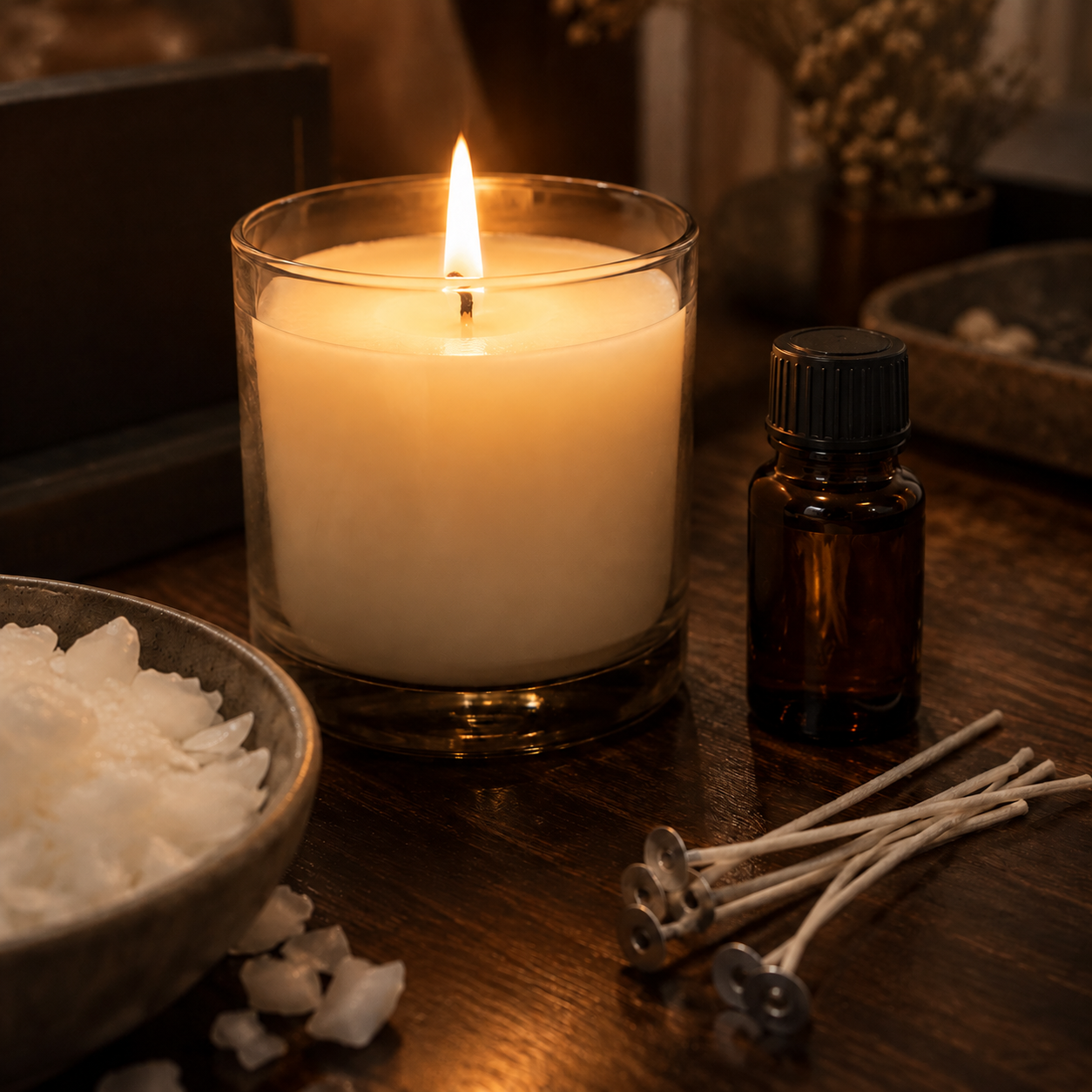 How Fragrance Oils Work in Candles?