Candle making is both a craft and an art form. Beyond fragrance, color plays a crucial role in shaping how people perceive a candle. Trends in home décor and lifestyle aesthetics continuously influence the popularity of different candle shades, and many consumers naturally associate certain colors with specific scents and moods. A thoughtfully chosen color palette can transform a simple candle into a visually appealing and emotionally engaging product.
The Palette of Waxes: Soy, Beeswax, and Paraffin
Before exploring color choices, it is important to understand the characteristics of different waxes. The type of wax used can significantly affect how candle dyes appear in the finished product.
Soy Wax
Soy wax is a renewable, plant-based material valued for its clean-burning properties and ease of use. It generally burns more slowly than paraffin wax, is biodegradable, and is easy to clean. Its naturally creamy white appearance provides a soft canvas that works particularly well with pastel and muted tones, making it a popular choice for environmentally conscious candle makers.
Beeswax
Beeswax is produced from honeybee honeycombs and naturally contains traces of pollen and plant oils. As a result, it often ranges from golden yellow to light brown in color. These warm undertones can influence the final appearance of added dyes, creating rich and earthy hues. Beeswax also has a subtle natural aroma and a slow burn rate, both of which contribute to its distinctive sensory appeal.
Paraffin Wax
Paraffin wax is one of the most widely used candle-making materials. Derived from petroleum refining, it is valued for its affordability, versatility, and excellent color performance. Its ability to hold and display vibrant pigments makes it especially suitable for achieving bold, saturated shades and a wide variety of decorative effects.
Why Color Matters in Candle Making
While fragrance often captures initial attention, color strongly influences expectations and purchasing decisions. Consumers frequently associate certain colors with the emotional experience they anticipate from a scent.
Enhances Visual Appeal
Color helps candles complement interior spaces and decorative styles. Coordinating candle shades with seasonal themes, room palettes, or special occasions can elevate the overall aesthetic. Alternatively, contrasting colors can serve as statement pieces and focal points within a space.
Evokes Emotions
Colors carry emotional and psychological associations. Red is often linked to passion and warmth, while pink conveys gentleness and affection. Blue and purple are commonly associated with calmness, meditation, and introspection. Selecting intentional color combinations can help reinforce the atmosphere a candle is designed to create.
Supports Product Identity
For artisan makers and established businesses alike, color contributes to visual consistency and product recognition. Repeated use of particular shades can communicate a specific style, mood, or theme, helping customers identify collections and understand the intended experience of each candle.
Types of Candle Dyes
Most candle dyes are specially formulated to disperse evenly in wax and remain stable during burning. There are several common options available, each offering unique advantages and limitations.
Dye Chips
Dye chips are among the simplest ways to color candles. They are easy to measure and blend into melted wax, allowing makers to experiment with custom shades. However, achieving intense colors may require larger quantities, and fine adjustments can sometimes be less precise.
Dye Blocks
Dye blocks are highly concentrated and capable of coloring substantial amounts of wax. They often produce vivid results in both soy and paraffin wax and are economical for larger batches. The challenge lies in maintaining consistency when working with small quantities, as measuring tiny portions accurately can be difficult.
Liquid Candle Dye
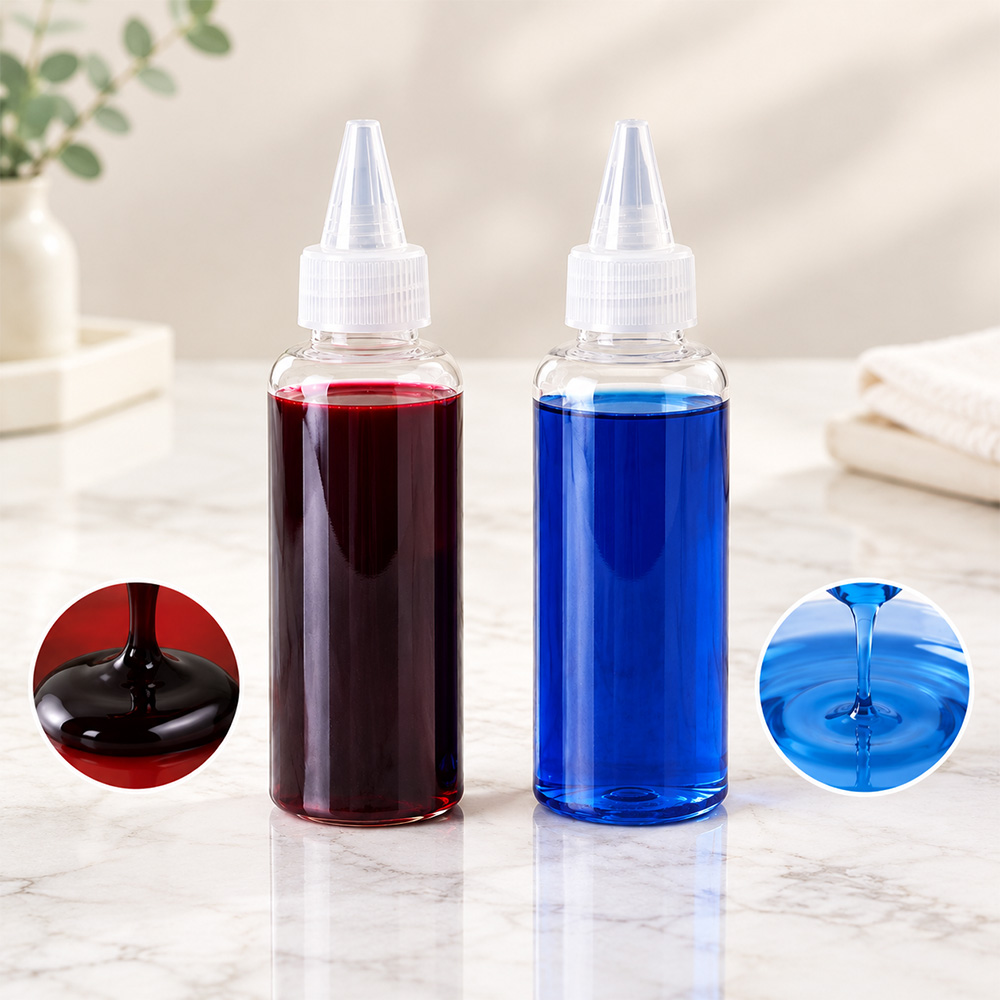
Liquid dyes are concentrated, easy to mix, and available in a broad spectrum of colors. They disperse quickly throughout the wax and allow for accurate color adjustments, making them suitable for both subtle tints and rich, dramatic tones. However, excessive use may occasionally affect candle texture or performance, so careful measurement is recommended.
Selecting the Ideal Dye for Candle Making
Choosing the right dye depends on your wax type, desired appearance, and production method. If you are new to candle making, experimenting with different dye formats can help determine which option best suits your preferences.
Compatibility with Wax
Not every dye behaves the same way in every wax. Whether using soy, beeswax, or paraffin, ensure the dye is formulated for the selected material to achieve an even and consistent finish.
Color Vibrancy
Different dyes vary in their ability to produce bright, saturated hues. Consider the intensity you wish to achieve, from delicate pastels to deep jewel tones, and select dyes accordingly.
Safety Considerations
Use dyes specifically intended for candle applications and follow the manufacturer’s recommended usage rates. Avoid substituting products that are not designed for candles, as they may compromise burn quality or safety.
Ease of Use
Some makers prioritize convenience and precision. Liquid dyes are often favored for their straightforward application and ease of color adjustment, while dye chips and blocks may appeal to those who prefer solid formats.
Which Dye Is Best for Candles?
There is no single “best” dye for every project. The ideal choice depends on the desired outcome, batch size, and level of experience.
Liquid dyes are often appreciated for their precision and versatility. They blend quickly, allow for gradual color adjustments, and can create both soft and vibrant shades with relatively small quantities.
Dye chips provide an accessible entry point for beginners who want to experiment with color mixing without extensive preparation.
Dye blocks are well suited to larger production runs, offering strong pigmentation and cost efficiency when consistency across multiple batches is required.
Understanding the strengths of each option enables candle makers to choose the most suitable dye for their specific creative goals.
Tips for Achieving the Perfect Candle Color
Creating beautiful candle colors often requires patience, testing, and a basic understanding of materials.
Test Your Colors
Always prepare small test batches before committing to larger quantities. Observe how colors appear in both melted and solid wax, and evaluate their appearance when the candle is lit and unlit.
Understand Wax Properties
The natural color and opacity of different waxes influence the final result. A shade that appears vibrant in paraffin may look softer in soy wax or warmer in beeswax. Familiarity with these characteristics can help avoid unexpected outcomes.
Consider Fragrance Pairings
Fragrance and color work together to shape perception. Floral scents are often paired with soft pinks, greens, or creams, while citrus fragrances may inspire bright yellows and oranges. Although these associations are not fixed rules, thoughtful combinations can create a more cohesive sensory experience.
Conclusion
Color is an essential element of candle making, working alongside fragrance, wax selection, and design to define the overall experience. From understanding how different waxes influence color to selecting the appropriate dye format, every decision contributes to the final appearance and character of the candle.
By experimenting with various techniques, testing combinations, and considering both aesthetics and functionality, candle makers can develop products that are visually striking, emotionally resonant, and uniquely their own. Whether crafting candles as a hobby or refining a professional collection, mastering the use of color opens the door to endless creative possibilities.
 Water-Soluble vs Oil-Soluble Dyes for Candles: Which One Works in Wax?
 Fragrance Oil for Candles: Performance Evaluation Guide
 How Fragrance Oils Work in Candles?