For handmade soap makers, color plays an important role in creating attractive and memorable products. Among the many soap colorants available today, mica powder has become one of the most popular choices because it provides vibrant shades, smooth color distribution, and a beautiful pearlescent shimmer.
However, many beginners are unsure how to properly use mica powder in soap making. Common questions include how much mica powder should be added, whether it works well in cold process soap, and how to prevent uneven coloring.
This guide will explain everything you need to know about using mica powder in soap, from understanding the characteristics of mica pigments to preparation methods, application techniques, and creative design ideas.
What Makes Mica Powder Special for Soap Making?
Mica powder is a fine mineral pigment produced from processed mica minerals. Due to the layered structure of mica, the particles reflect and scatter light, creating a natural shimmer effect. This optical property is why mica pigments are widely used in cosmetics, crafts, and handmade soap.
When used in soap making, mica powder does more than simply add color. Depending on the type of pigment, it can create different visual effects, including soft pearl finishes, metallic appearances, and brilliant color effects. This makes mica powder especially popular among handmade soap creators who want their products to look more luxurious and professional.
Unlike some liquid dyes that mainly provide transparent or flat colors, mica powder gives soap a richer appearance because the tiny reflective particles interact with light. A simple white soap base can be transformed into a product with a smooth pearl glow, while darker soap bases can create deeper and more dramatic effects.
It is important to note that not every mica powder is suitable for soap or cosmetic applications. Soap makers should choose cosmetic grade mica powder designed for skin-contact products to ensure better safety and performance.
How Much Mica Powder Should Be Used in Soap?
One of the most common questions among beginners is how much mica powder should be added to soap. The ideal amount depends on the type of soap, the desired color intensity, and the specific pigment being used.
For melt-and-pour soap, a common starting point is around 0.5 to 1 teaspoon of mica powder per pound of soap base. Lighter colors may require slightly more pigment, while highly concentrated colors may need less.
It is always better to begin with a small amount and gradually increase the concentration. Adding too much mica powder may affect the texture and appearance of the finished soap.
For cold process soap, many soap makers prefer to pre-disperse mica powder before adding it to the soap batter. A typical method is mixing one teaspoon of mica powder with one tablespoon of lightweight carrier oil. This creates a smooth pigment mixture that can be evenly distributed throughout the soap.
Because different mica colors have different pigment strengths, these measurements should only be treated as starting points. Testing small batches allows soap makers to achieve the exact shade they want before producing larger quantities.
Why Should Mica Powder Be Pre-Mixed Before Adding to Soap?
Although mica powder can technically be added directly into soap, pre-mixing usually produces better results.
Dry mica powder contains extremely fine particles that may form small clumps when added directly into liquid soap. These clumps can create uneven coloring or concentrated pigment spots in the finished product.
By mixing mica powder with a suitable carrier, the pigment particles become evenly separated and easier to blend into the soap base.
For cold process soap, lightweight oils are commonly used because they integrate naturally with the soap mixture. For melt-and-pour soap, glycerin is another popular option because it helps create a smooth mica dispersion.
Some soap makers also use isopropyl alcohol when preparing mica blends. Alcohol helps break apart pigment clusters and allows the mica particles to spread more evenly.
Using Mica Powder in Melt-and-Pour Soap
Melt-and-pour soap is one of the easiest methods for beginners because the soap base has already completed the saponification process.
The first step is to gently melt the soap base according to the manufacturer’s instructions. The soap should become fully liquid but should not be overheated. Excessive heat can make the soap too thin, which may cause mica particles to settle instead of remaining evenly suspended.
Once the soap base reaches the correct consistency, add the prepared mica mixture and stir slowly until the color is evenly distributed. If a stronger color is needed, additional mica can be added gradually.
After mixing, pour the soap into molds and allow it to cool completely. The final appearance will depend on the soap base, mica concentration, and pigment type used.
Using Mica Powder in Cold Process Soap
Cold process soap requires a slightly different approach because the soap mixture undergoes a chemical reaction during curing.
Before adding mica powder, prepare a smooth pigment mixture using oil or another suitable dispersing medium. Once the soap batter reaches light trace, incorporate the mica mixture and blend until the color is evenly distributed.
One advantage of mica powder in cold process soap is the ability to create advanced designs. Soap makers can divide the batter into several portions and add different mica pigments to each part. This allows them to create layered, marbled, or swirling effects.
However, cold process soap has a naturally high pH environment, and some pigments may behave differently under these conditions. Small test batches are recommended before producing larger quantities.
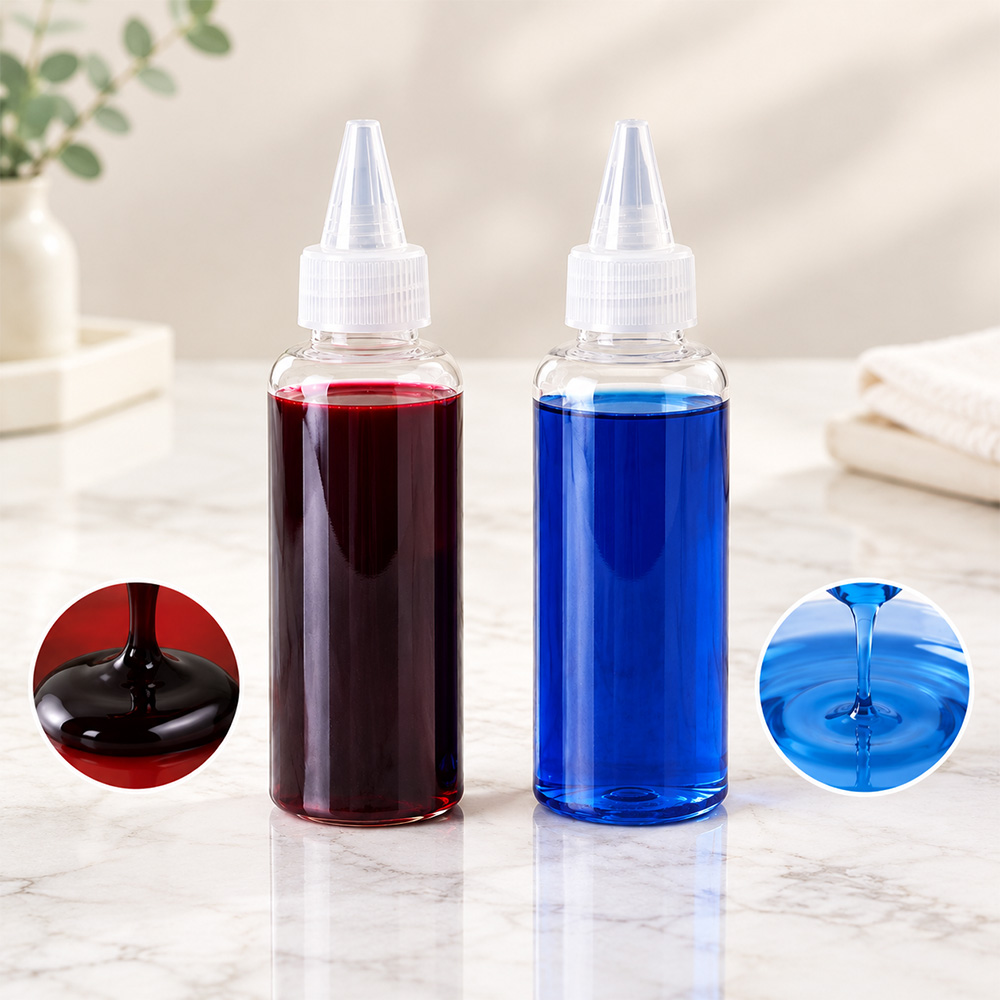 Water-Soluble vs Oil-Soluble Dyes for Candles: Which One Works in Wax?
 Fragrance Oil for Candles: Performance Evaluation Guide
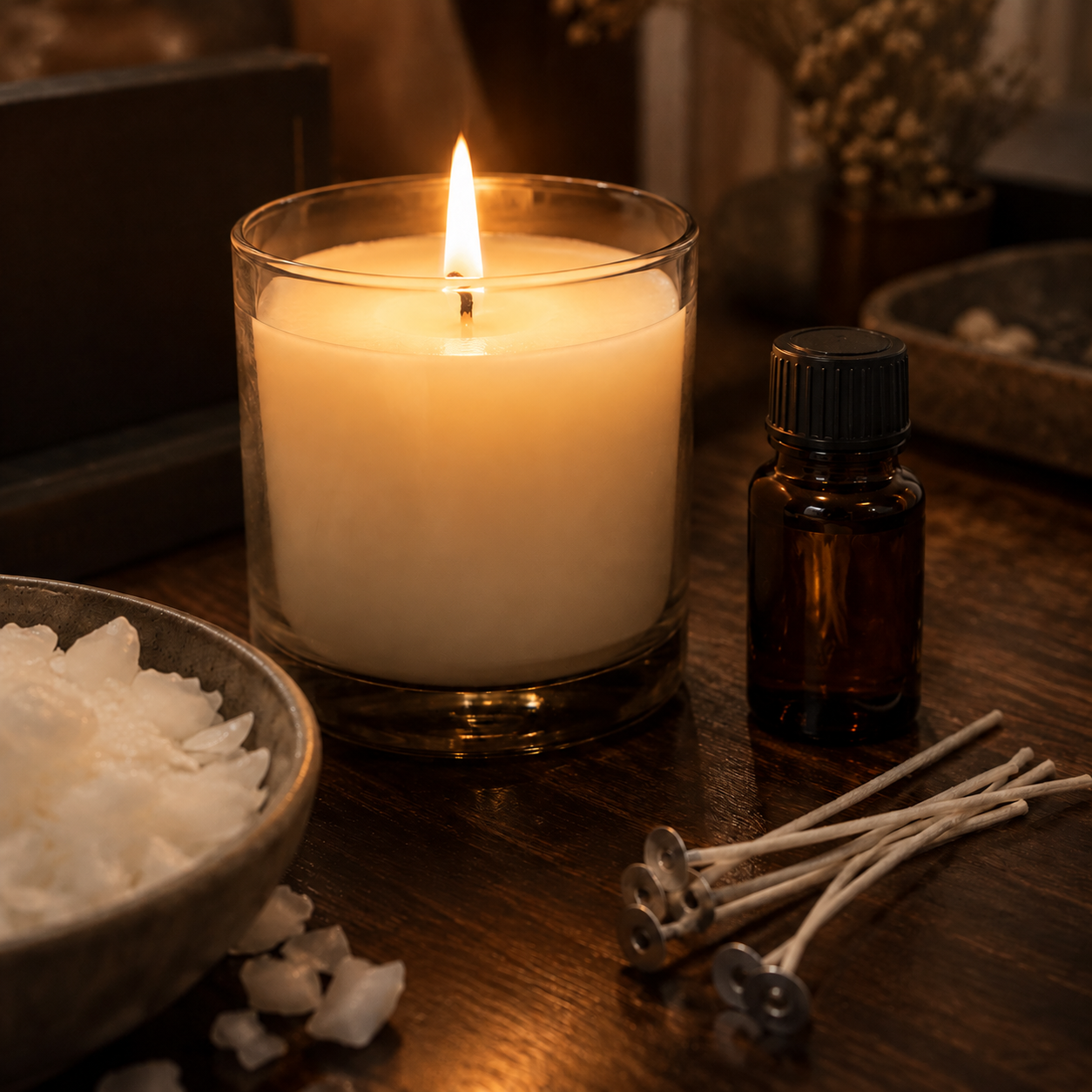 How Fragrance Oils Work in Candles?