Coloring melt and pour soap is one of the most creative steps in handmade soap making.
However, achieving consistent color depends on several factors, including the type of soap base, the colorant material, and the mixing method. Different colorants create different visual effects, especially when used in clear and white melt and pour soap bases.
This guide explains the most commonly used soap colorants, how they perform in different soap bases, and the techniques for achieving smooth and even colors.
Understanding Different Soap Colorants
Not all pigments and dyes are suitable for melt and pour soap. Some materials may fade, separate, create uneven textures, or affect the appearance of the finished soap.
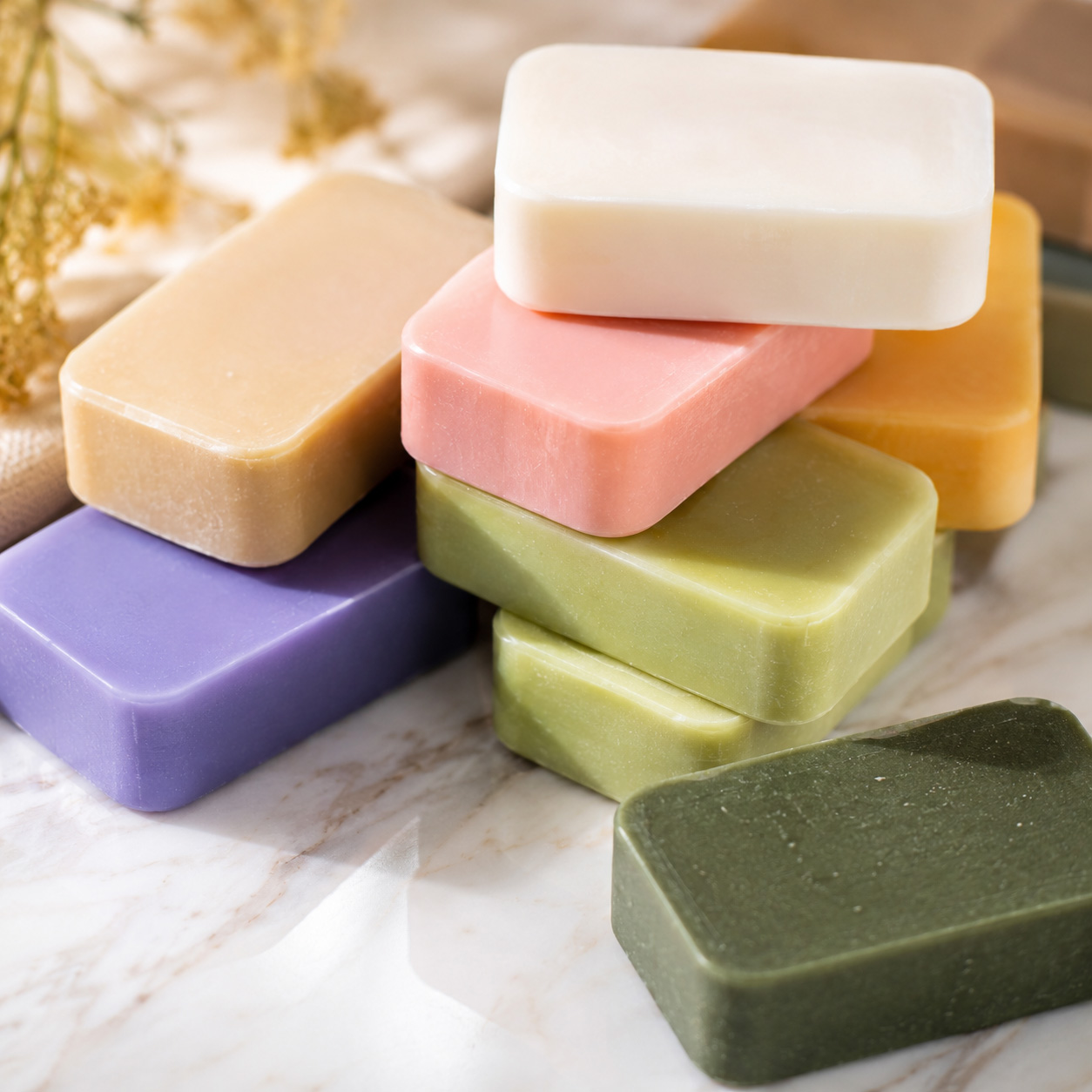
The most commonly used soap colorants include mica powders, liquid soap dyes, oxides, and ultramarines. These colorants are designed for cosmetic applications and provide more stable and predictable results compared with general craft pigments or food coloring.
Using Mica Powder in Melt and Pour Soap
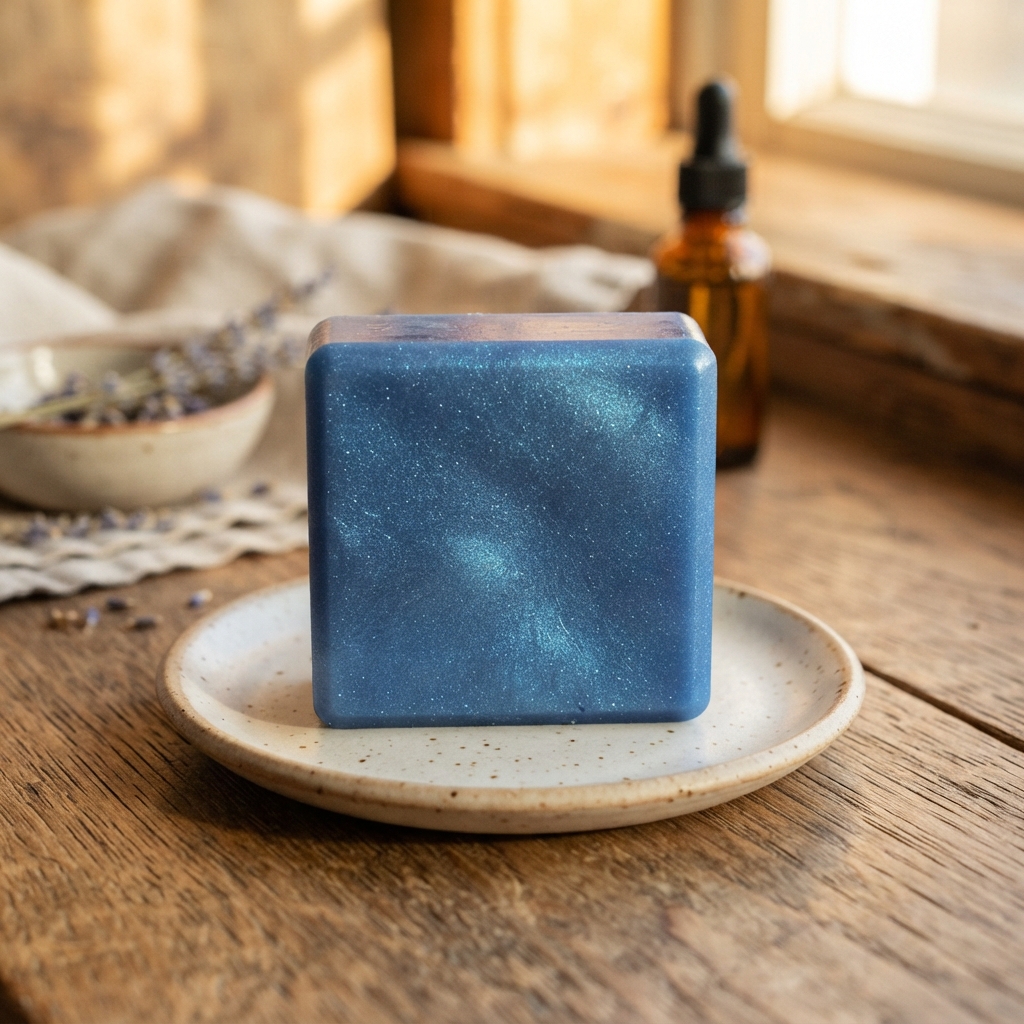
Mica powder is one of the most popular choices for handmade soap because it creates beautiful pearlescent, metallic, and shimmering effects. Available in a wide range of colors, mica can add depth and a premium appearance to soap bars.
When mica is added directly as a dry powder, it may form small particles or uneven spots inside the soap. To achieve a smoother result, mica should be pre-dispersed with a small amount of glycerin or alcohol before mixing it into the melted soap base.
The final appearance of mica depends greatly on the soap base.
In a clear soap base, mica creates a luminous, transparent shimmer effect. Light can pass through the soap, producing a crystal-like appearance.
Using mica powder is a popular method for coloring melt and pour soap, especially when creating pearlescent and shimmering handmade soap designs.
In a white soap base, mica produces a softer and more creamy effect. The white background reduces transparency and makes the color look more pastel and elegant.
Liquid Soap Dyes for Bright Transparent Colors
Liquid soap dyes are specially formulated colorants that dissolve easily into melted soap bases. They are often used when bright, transparent, and vivid colors are required.
Clear soap bases are especially suitable for liquid dyes because the transparent background allows the color to appear brighter and more saturated. For example, a blue dye in a clear base can create a glass-like ocean blue effect.
When the same dye is added to a white soap base, the result becomes softer and lighter, creating shades similar to pastel blue or sky blue.
For layered or multi-color soap designs, choosing a non-bleeding or non-migrating dye is important because some liquid dyes may move between layers over time.
Oxides and Ultramarines for Opaque Colors
Iron oxides and ultramarines are mineral-based pigments commonly used for creating strong, opaque colors. They are ideal for earthy shades, deep tones, and solid-color soap designs.
Unlike transparent dyes, these pigments work best in white soap bases. The opaque background helps reveal the true color and creates a smooth, solid appearance.
When used in a clear soap base, oxides may appear darker and less vibrant because their opacity reduces the transparent effect of the soap.
Like mica powders, oxides should be dispersed before adding them to soap to prevent clumping and uneven distribution.
Clear Soap Base vs White Soap Base Color Effects
The soap base plays an important role in the final color appearance.
A clear melt and pour soap base works like a transparent canvas. It allows light to pass through the soap, making colors appear brighter, deeper, and more vivid. It is ideal for jewel tones, transparent effects, layered soap designs, and decorative soaps.
A white melt and pour soap base creates an opaque background. It softens colors and produces a creamy, pastel appearance. It is commonly used for natural-style soaps, gentle color palettes, and everyday handmade soap products.
For example:
A red liquid dye in clear soap creates a bright ruby-red transparent effect, while the same color in white soap becomes a soft pink shade.
A blue mica in clear soap produces a sparkling crystal effect, while in white soap it creates a smooth pearl-like pastel blue.
Choosing the right combination of soap base and colorant allows soap makers to control the final visual style.
Natural Colorants in Melt and Pour Soap
Natural ingredients such as turmeric, spirulina, cocoa powder, and paprika can also add color to handmade soap. However, their performance is usually less predictable compared with cosmetic-grade pigments and dyes.
Natural colorants may change shade over time, fade under light exposure, or create variations between batches. They are often preferred for rustic handmade soap designs where slight color differences are part of the aesthetic.
For commercial soap production or consistent product appearance, mica powders and certified soap dyes generally provide more reliable results.
How to Add Color to Melted Soap Base
The timing and mixing process affect the final appearance of the soap.
After melting the soap base completely, allow it to cool slightly before adding colorants. A temperature range of around 52–57°C (125–135°F) is commonly suitable because the soap remains fluid while reducing the risk of damaging sensitive ingredients.
A simple coloring process includes melting the soap base, preparing the colorant, adding it into the melted soap, and gently stirring until the color is evenly distributed.
Avoid vigorous mixing because excessive stirring can introduce air bubbles, which may create small imperfections on the finished soap surface.
Tips for Better Coloring Results
The best results come from matching the colorant with the desired soap style.
For bright and transparent colors, liquid soap dyes are usually the better choice, especially with clear soap bases.
For shimmer, metallic effects, and premium visual textures, mica powders provide more decorative possibilities.
For soft pastel colors, white soap bases combined with suitable pigments can create a smooth and elegant appearance.
Preparing powdered colorants before use and maintaining proper mixing temperatures will help achieve more consistent results.
Conclusion
Coloring melt and pour soap is not only about choosing a color, but also about understanding how different soap bases influence the final appearance.
Clear soap bases enhance transparency and create vibrant, jewel-like effects, while white soap bases produce softer and more creamy colors. Liquid dyes, mica powders, and mineral pigments each offer unique visual characteristics, allowing soap makers to create different styles of handmade soap.
By selecting the right combination of soap base, colorant, and application method, it is possible to achieve stable, attractive, and professional-looking soap designs.
 How to Use Mica in Melt and Pour Soap: A Complete Guide
 How to Color Melt and Pour Soap: A Complete Guide to Soap Colorants
 Creating Stunning Epoxy Resin Effects with Mica Powder: A Complete Guide