The UV-curable coatings market was valued at USD 8.21 billion in 2023 and is projected to reach USD 20.94 billion by 2032, growing at a CAGR of 10.97% from 2024 to 2032. This growth is driven by the increasing demand for durable, eco-friendly coatings in sectors like automotive and electronics.
In the automotive industry, The are used for interior parts, exterior trims, and touchscreens due to their excellent scratch resistance, high gloss finish, and rapid curing properties. The electronics sector also utilizes these coatings for PCBs, smart screens, and display panels due to their high adhesion to materials like OLEDs. With the rise of electric vehicles (EVs), increased consumer electronics demand, and advancements in semiconductor components, the need for fast-curing coatings with minimal environmental impact is accelerating.
UV-LED technology is significantly transforming the UV-curable coatings market, offering benefits such as lower energy consumption, longer operational lifespan, and reduced heat generation. Unlike traditional mercury-based UV lamps, UV-LED curing systems eliminate ozone production and hazardous mercury waste, aligning with global environmental regulations like the U.S. EPA guidelines and EU REACH directives. According to the U.S. Department of Energy, UV-LED technology offers up to 70% energy savings compared to conventional methods, making it a cost-effective and eco-friendly alternative. As R&D continues, the adoption of UV-LED curing systems is expected to rise, further boosting the market.
Key Drivers of Growth in the UV-Curable Coatings Market
- Packaging and Printing Applications
The are essential in the packaging and printing industries due to their fast curing, durability, and high-quality prints. These coatings are used for vibrant images on various substrates, including paper, cardboard, plastics, glass, metal, and wood. The food-safe packaging market has also contributed to the increasing demand for these coatings, thanks to their low VOC emissions.
- Limited Material Compatibility
UV-curable coatings work effectively on substrates like plastic, glass, and metal that allow high UV light penetration. However, materials such as rubber, opaque polymers, and thick or heavily pigmented surfaces block UV light, leading to inefficient curing. This limits the application of UV-curable coatings in industries that use a wide range of materials, such as automotive and aerospace. Ongoing research is needed to develop coatings that can be used on more diverse substrates.
Market Segmentation
By Type: Wood Coatings
The wood coatings segment held the largest market share (28%) in 2023. UV-curable coatings are preferred for wood products because they cure quickly, offer greater durability, and provide a high-quality finish that enhances the natural beauty of wood. These coatings are also environmentally friendly since they don’t require solvents, resulting in low emissions. Their scratch, abrasion, and weather resistance make them ideal for wood products used in high-traffic areas or outdoor environments.
By Composition: Monomers
Monomers accounted for the largest share (34%) of the market in 2023. Monomers are key in UV-curable coatings as they polymerize when exposed to UV light, creating a solid and durable finish. These monomers provide the necessary flexibility, hardness, and chemical resistance, crucial for automotive, industrial, and packaging applications. The growing focus on sustainability and reducing environmental footprints has made monomer-based UV-curable coatings increasingly popular.
By End-Use Industry: Industrial Coatings
The industrial coatings segment accounted for 48% of the market share in 2023. The demand for durable coatings in industries like automotive, machinery, metal, and construction is a major driver for this segment. UV-curable coatings offer advantages such as faster curing, better chemical resistance, and enhanced environmental benefits compared to traditional coatings. The focus on sustainability and low VOC emissions is driving more industries to adopt UV-curable coatings.
Regional Insights
Asia-Pacific led the UV-curable coatings market with a 38% share in 2023. The region’s rapid industrialization and the growth of manufacturing sectors in countries like China, Japan, and South Korea have driven demand for UV-curable coatings. The automotive, electronics, and industrial sectors in this region use UV-curable coatings for their high-performance and environmental benefits. Government initiatives promoting sustainable technologies have accelerated the adoption of UV-curable coatings in Asia-Pacific.
The increasing demand for these coatings in the electronics and graphic arts industries, along with investments in infrastructure, is driving market growth in the region. The push to reduce VOC emissions and embrace green products has prompted more local and international companies to invest in UV-curable coatings.
Conclusion: Future of UV-Curable Coatings
The UV-curable coatings market is growing rapidly due to the increasing demand for fast-curing, high-performance coatings across various industries. UV-LED technology plays a pivotal role in this growth, offering energy efficiency and faster production speeds. As industries continue to focus on sustainability and reducing their environmental impact, The are set to replace traditional coatings in many sectors. The future of the UV-curable coatings market is promising, with increasing adoption across industries such as automotive, packaging, and electronics. As demand for eco-friendly, high-performance coatings continues to rise, UV-curable coatings will remain a vital component in shaping the future of manufacturing.
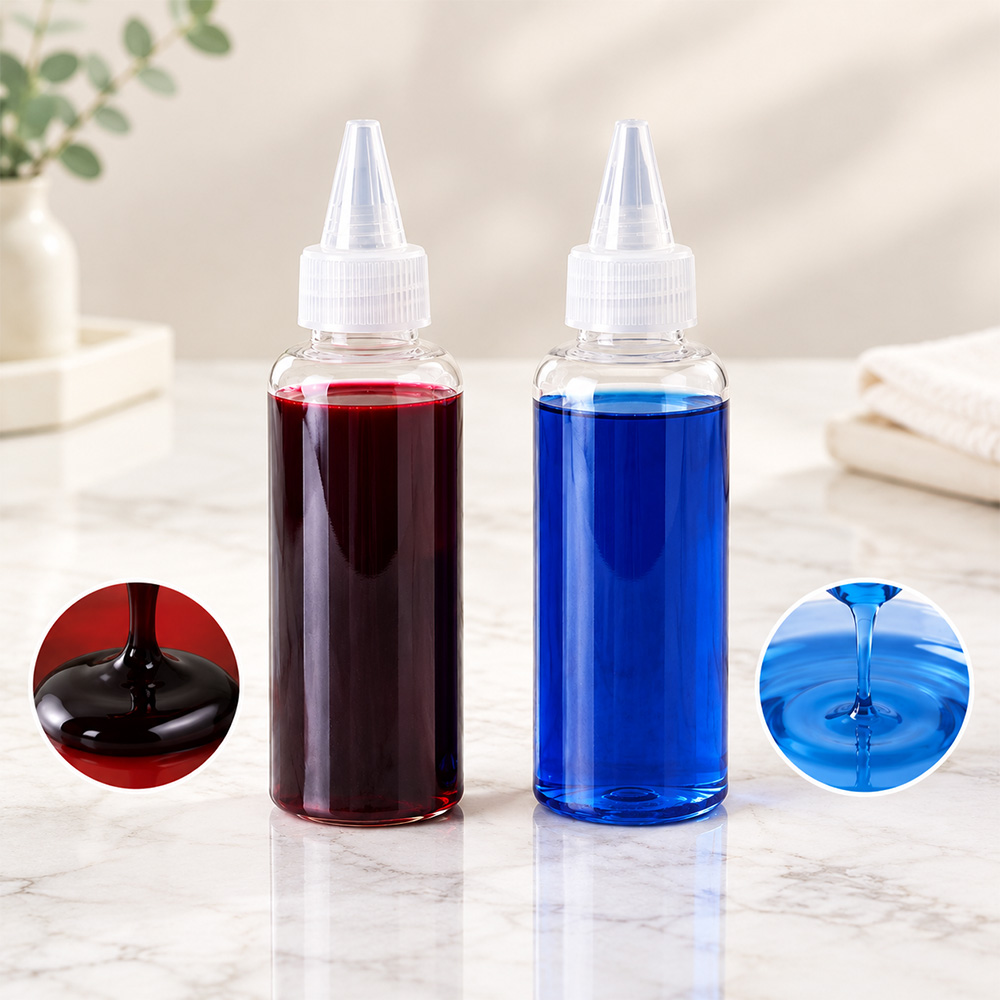 Water-Soluble vs Oil-Soluble Dyes for Candles: Which One Works in Wax?
 Fragrance Oil for Candles: Performance Evaluation Guide
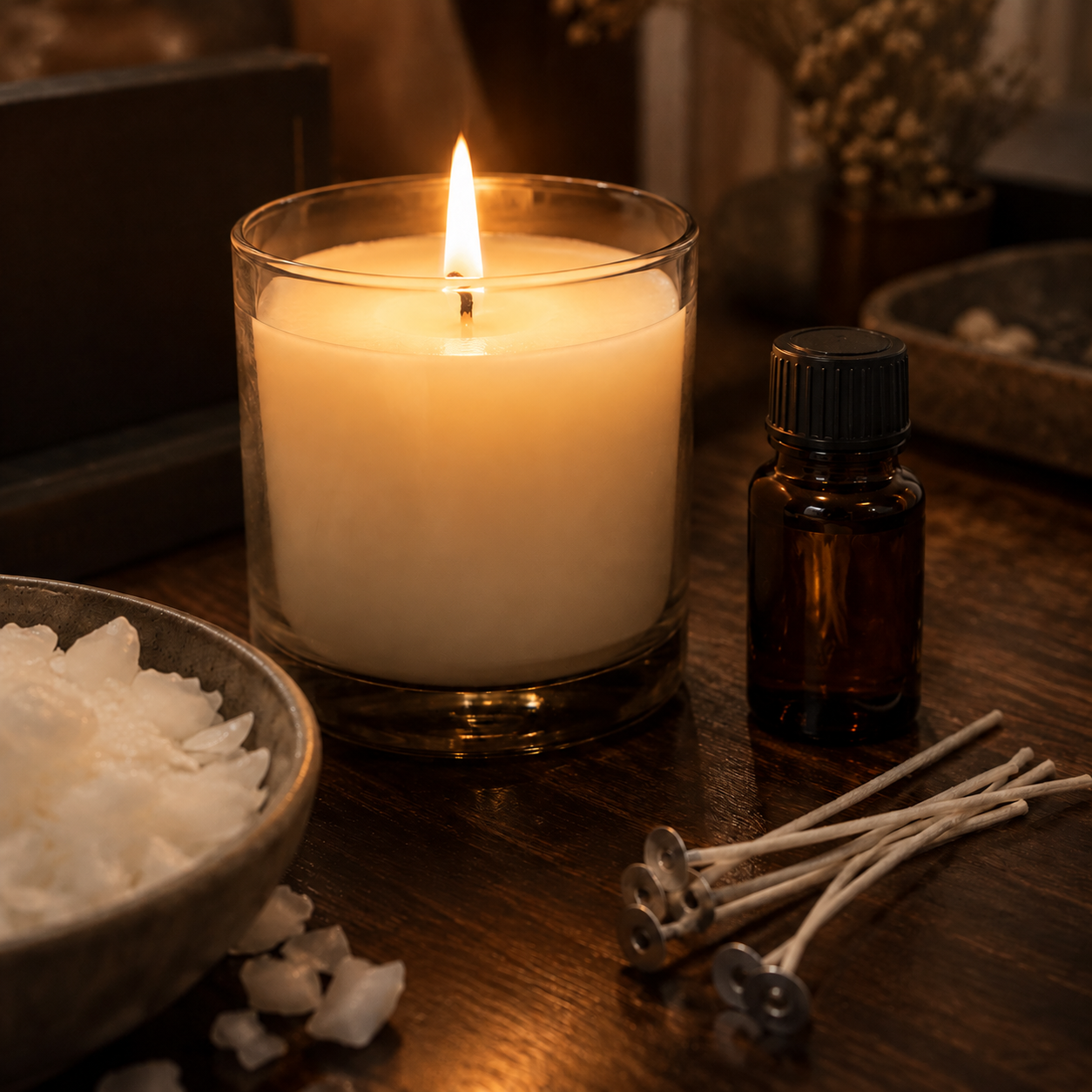 How Fragrance Oils Work in Candles?