Outdoor candles are exposed to conditions that indoor candles rarely face: fluctuating temperatures, direct sunlight, wind, and longer burn cycles. Because of this, both fragrance and color stability become important technical considerations rather than purely aesthetic ones.
Liquid candle dye is commonly used in professional candle making because it integrates evenly into molten wax systems. Unlike pigment-based alternatives, it dissolves completely, which helps prevent speckling, sediment, or uneven coloration. This is especially relevant for outdoor use, where visual consistency is expected even after partial melting or repeated burns.
Another advantage is dosing control. Since liquid dye is highly concentrated, small adjustments allow precise color tuning without significantly affecting wax performance or burn behavior when used correctly.
Choosing suitable materials for outdoor candle performance
The base wax determines not only burn quality but also how well color and fragrance are retained over time. For outdoor container candles, soy wax blends, beeswax, or olive-based wax systems are commonly used. Each behaves differently under heat and light exposure.
Beeswax tends to be more stable structurally but requires higher temperatures to incorporate dye effectively. Plant-based waxes, such as soy, melt at lower temperatures and typically allow smoother blending of both fragrance and dye. Olive wax sits between the two in terms of melting behavior and is often chosen for its balance of texture and scent retention.
Fragrance oils should be selected with outdoor diffusion in mind. Stronger scent loads are often used outdoors because airflow disperses aroma more quickly. However, exceeding the wax’s recommended fragrance capacity can reduce burn quality, so balance is essential.
Preparation and setup before melting wax
A stable candle begins with proper preparation. The wick should be positioned precisely in the center of the container before any wax is poured. Even minor misalignment can cause uneven burning, tunneling, or wasted wax.
The container itself must be heat-resistant, as outdoor candles often burn for extended periods. Glass, metal tins, or ceramic holders are commonly used depending on the desired aesthetic and thermal stability.
At this stage, all materials should be measured in advance. This includes wax, dye, fragrance oil, and wick size matched to container diameter. Preparing everything beforehand reduces the risk of overheating wax while searching for ingredients mid-process.
Melting wax and controlling temperature
Wax should be melted using a double boiler system rather than direct heat. This provides gradual and controlled temperature increase, reducing the risk of overheating or degrading the wax structure.
Each wax type has an optimal working range. Staying within this range is important not only for safety but also for dye performance. If the wax is too cool, dye may not disperse evenly. If it is too hot, fragrance compounds may evaporate prematurely, weakening scent throw.
Consistency at this stage matters more than speed. A stable temperature ensures predictable color results and prevents patchiness in the final candle.
Incorporating liquid candle dye for consistent color
Liquid dye should always be introduced gradually rather than all at once. Because it is highly concentrated, even a small amount can significantly shift the shade.
After each addition, the wax should be stirred slowly but thoroughly. Rapid stirring is unnecessary and can introduce air bubbles, which may affect surface finish. The goal is complete dispersion, where the wax appears uniformly colored with no visible streaking.
Color development should be approached incrementally. Outdoor candles often look slightly lighter when molten and deepen slightly as they cool, so final adjustments should account for this shift. Testing small batches is often the most reliable way to ensure consistency across different wax types.
Adding fragrance without disrupting color stability
Fragrance oil is typically added after the dye has fully integrated into the wax. This sequence helps prevent interference between scent molecules and dye dispersion.
The wax temperature at this stage is important. If it is too high, volatile fragrance components may evaporate. If it is too low, the fragrance may not bind properly with the wax, reducing scent throw during burning.
Gentle stirring is sufficient to distribute fragrance evenly. Over-mixing is unnecessary and can introduce air pockets that affect surface smoothness after pouring.
Pouring, cooling, and curing the candle
Once fully prepared, the wax should be poured slowly into the container to avoid disrupting the wick position. A steady pour also minimizes the formation of air pockets or surface imperfections.
Cooling should occur at room temperature without forced cooling methods such as refrigeration or cold airflow. Rapid cooling can cause surface cracking or uneven color distribution.
After solidification, candles benefit from a curing period of at least 24 to 48 hours. During this time, fragrance binds more fully to the wax structure, and the color stabilizes visually. This step is often overlooked but has a noticeable impact on burn performance and scent release.
Practical considerations for outdoor durability
Outdoor candles require slightly different expectations compared to indoor decorative candles. Sunlight exposure can gradually affect color intensity, especially with lighter shades. Storing candles away from direct UV exposure helps maintain visual consistency over time.
Wind exposure also affects burn behavior, so wick selection is critical. A wick that is too small may struggle in outdoor conditions, while an oversized wick can cause excessive soot or uneven melting.
Testing under real outdoor conditions is the most reliable way to validate performance. A candle that behaves well indoors may still require adjustment when exposed to airflow and temperature variation.
Conclusion
Scented outdoor candles made with liquid candle dye rely on controlled process variables: temperature stability, gradual dye integration, and balanced fragrance addition. When these elements are managed carefully, the result is a candle that maintains both visual appeal and functional performance in outdoor environments such as patios, gardens, and event spaces.
The key is not complexity but consistency—small, controlled adjustments produce more reliable results than large, rapid changes at any stage of the process.
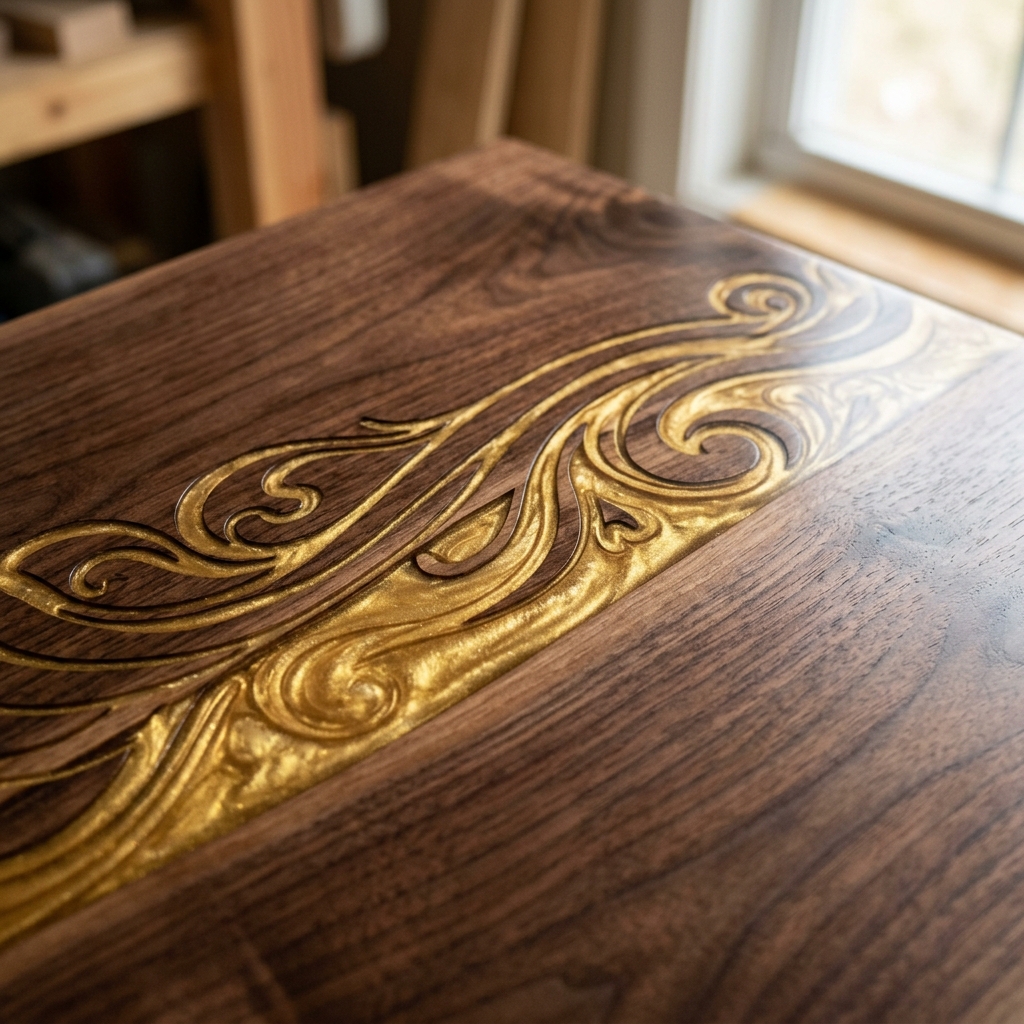 Creating Stunning Epoxy Resin Effects with Mica Powder: A Complete Guide
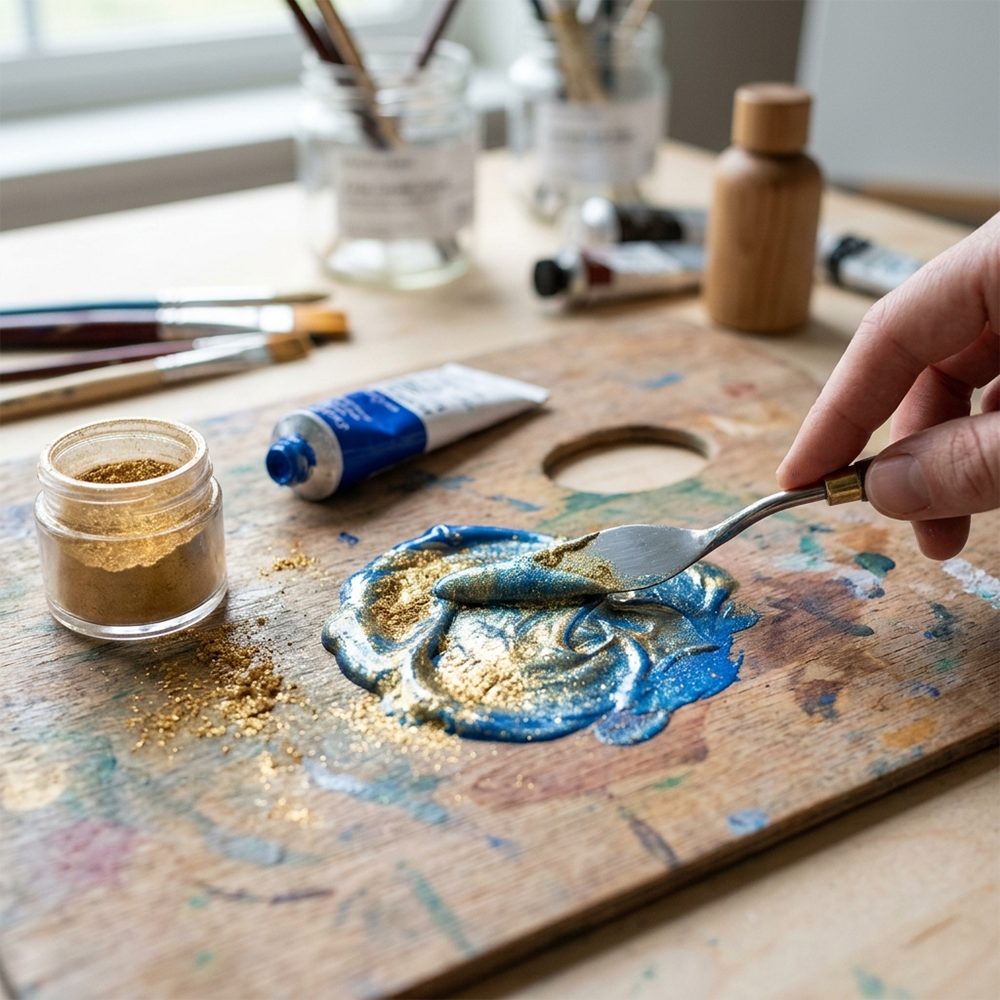 How to Use Mica Powder in Acrylic Paint: A Beginner’s Guide
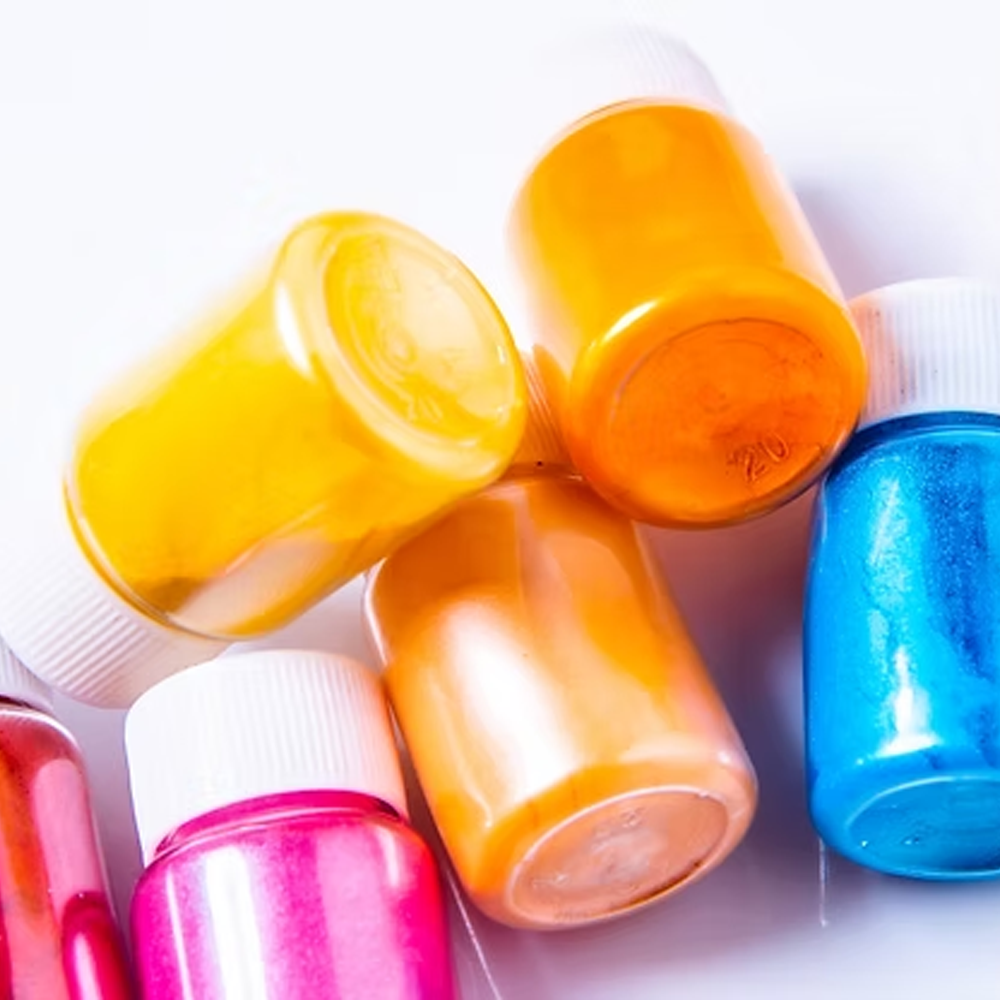 Synthetic vs Natural Mica Powder: Differences, Benefits, and Which Is Better for Cosmetics