UV curing technology is revolutionizing the wood finishing and coating processes, delivering faster production speeds, superior finishes, lower energy consumption, and cleaner operations. As the industry pivots towards more sustainable and efficient methods, UV curing is quickly becoming the go-to solution.
In this comprehensive 2026 guide, we will delve into the reasons why manufacturers are transitioning from traditional drying methods to UV curing, the advantages of UV and UV LED curing technologies, and the practical applications across various wood sectors, including furniture, flooring, cabinetry, and more.
Whether you are an Original Equipment Manufacturer (OEM), a finishing line engineer, or a production manager, this guide will provide you with the insights necessary to choose the right UV solution for your wood coating processes.
Introduction to Wood Coating and UV Curing Technology
Wood coating plays a critical role in enhancing the durability, aesthetics, and overall performance of wood products. From the lacquer curing on kitchen doors to the protective coatings on decorative panels, the finish determines both product quality and operational efficiency.
Traditional drying methods, such as air drying and hot air ovens, are slow, energy-intensive, and often result in inconsistent finishes. UV curing technology, on the other hand, uses ultraviolet light to initiate a photochemical reaction that cures the coating almost instantly. This innovative technology has become essential for modern manufacturing lines aiming to boost throughput, reduce waste, and meet ambitious sustainability targets.
Why Wood Coating Is Essential in Modern Manufacturing
Before diving into the specifics of UV curing, it’s important to understand the role of wood coating in modern manufacturing. High-quality coatings are necessary for the following reasons:
- Protection against moisture, UV rays, and chemicals
Wood coatings act as a protective barrier, shielding the material from external elements that could degrade its quality over time.
- Enhanced durability
For surfaces that experience high traffic, such as flooring, furniture, and cabinetry, a durable coating ensures longevity and a pristine finish even after prolonged use.
- Improved aesthetics
Coatings provide various finish options, from glossy to matte or satin, which enhance the overall visual appeal of the wood.
- Fire resistance and hygiene benefits
Coatings can offer additional safety features, such as flame retardance, and improve the hygiene of wood surfaces in environments like kitchens and bathrooms.
- Extended product life
Proper coatings reduce the need for frequent maintenance, allowing wood products to last longer and reduce waste.
Whether working with MDF, veneer, or solid timber, high-performance coatings ensure that the final product remains functional, beautiful, and compliant with evolving industry standards.
The Role of UV Curing in the Wood Coating Sector
UV curing technology has emerged as the cornerstone of high-speed, high-quality wood finishing. By replacing traditional drying processes with UV light, manufacturers can achieve significant improvements in both efficiency and product quality. Here’s a closer look at the core benefits of UV curing:
Rapid Production Speeds
UV curing is much faster than conventional drying methods. What typically takes hours or even days can now be completed in seconds. This dramatic reduction in curing time translates directly into lower lead times and increased throughput, allowing businesses to process more products in less time.
Superior Finish Quality
UV curing produces exceptionally hard, scratch-resistant, and chemically durable coatings. Whether you’re coating wood floors, furniture, or cabinetry, the UV finish ensures consistent gloss and color, offering a premium product that meets consumer expectations.
Energy Efficiency
Traditional thermal drying systems require significant energy input to maintain high temperatures over long periods. In contrast, UV curing, especially with UV LED systems, consumes less energy, making it a more sustainable and cost-effective option. UV LED curing systems, in particular, offer significant energy savings while maintaining high-quality results.
Environmental Benefits
UV coatings are typically 100% solids, which means they contain minimal to no solvents. This significantly reduces volatile organic compound (VOC) emissions, helping businesses meet global sustainability regulations. The elimination of solvents not only benefits the environment but also improves indoor air quality in manufacturing facilities.
Consistency & Reliability
UV curing offers repeatable results with a high degree of precision. Unlike air drying, which can be affected by environmental factors like humidity and temperature, UV curing ensures uniform finishes every time, regardless of external conditions. This consistency is critical for large-scale production and meeting stringent quality standards.
Key Applications of UV Curing in Wood Coating
UV curing technology has found applications across various wood manufacturing processes, offering benefits that enhance both efficiency and product quality. Below are some of the key applications:
- Furniture Manufacturing
UV curing is used to deliver scratch-resistant and durable finishes for chairs, tables, and decorative panels. The instant curing process allows manufacturers to produce high-quality products at a faster rate, reducing production time and costs.
- Flooring
UV-cured coatings provide superior wear resistance, chemical protection, and immediate usability, making them ideal for high-traffic areas such as homes, offices, and public spaces. The instant cure minimizes downtime, allowing flooring products to be used almost immediately after finishing.
- Cabinetry
UV curing technology creates moisture-resistant and easy-to-clean finishes for kitchen, bathroom, and commercial cabinetry. It helps enhance the durability of cabinets while reducing the risk of damage from moisture and everyday wear and tear.
- Interior Paneling & Decorative Profiles
UV curing ensures uniform, UV-stable finishes across large surfaces and moldings. The high-speed curing process significantly improves the handling times of large production runs.
- Industrial Wood Components
For heavy-duty industrial wood components exposed to chemicals, abrasion, and harsh environments, UV coatings offer superior protection. These coatings are ideal for parts that require exceptional durability and resistance to wear.
Advantages of UV and UV LED Curing in Wood Coating
UV and UV LED curing technologies offer numerous advantages for wood coating applications:
- Fastest Curing Method: UV curing completes the process in seconds, as opposed to hours or days with traditional methods.
- Energy-Efficient: UV LED curing systems consume significantly less energy than traditional thermal methods, reducing operational costs.
- Superior Durability: UV finishes are 20–40% more durable than conventional finishes, providing scratch and chemical resistance.
- Eco-Friendly: UV finishes are typically low-VOC or VOC-free, aligning with environmental sustainability goals.
- Consistent Finish Quality: UV curing ensures consistent, high-quality finishes every time.
- Longer Lifetimes: UV-cured finishes last longer, reducing maintenance downtime and improving ROI for manufacturers.
- Flexible Integration: UV curing can be easily integrated into existing production lines or incorporated into new build systems.
Conclusion: UV Curing as the Future of Wood Coating
UV curing has become a game-changer in the wood coating sector, offering rapid curing, superior durability, energy savings, and environmental benefits. The ability to cure finishes in seconds with minimal environmental impact is revolutionizing production processes across industries. Whether you’re involved in furniture manufacturing, flooring, or cabinetry, UV curing technology is the future of efficient, high-quality wood finishing.
By choosing UV curing, manufacturers can increase throughput, reduce costs, and provide superior products to meet the growing demand for high-performance wood coatings. As sustainability and speed continue to be top priorities, UV curing offers the perfect solution to meet these challenges head-on.
If you’re looking to integrate UV curing into your wood coating processes, it’s time to explore the technology that’s transforming the industry. Whether upgrading existing systems or adopting a new solution, UV curing can take your production to the next level.
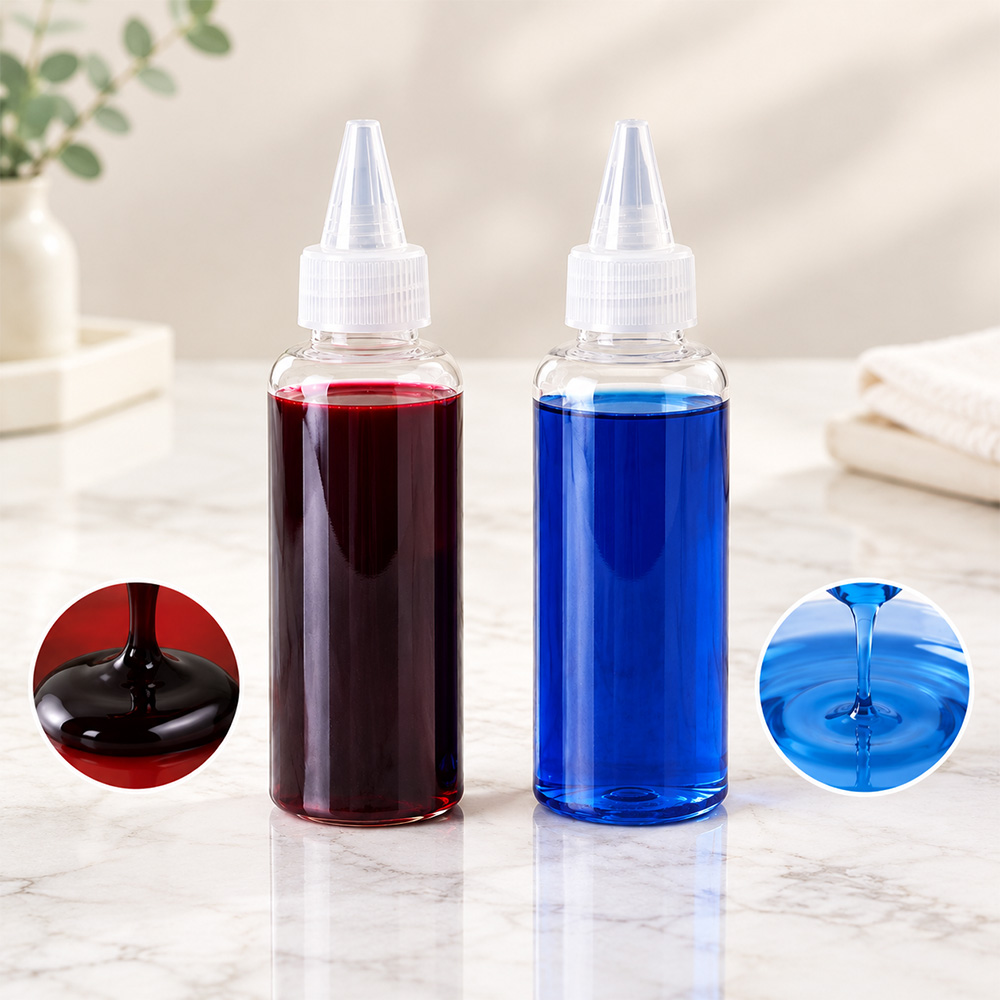 Water-Soluble vs Oil-Soluble Dyes for Candles: Which One Works in Wax?
 Fragrance Oil for Candles: Performance Evaluation Guide
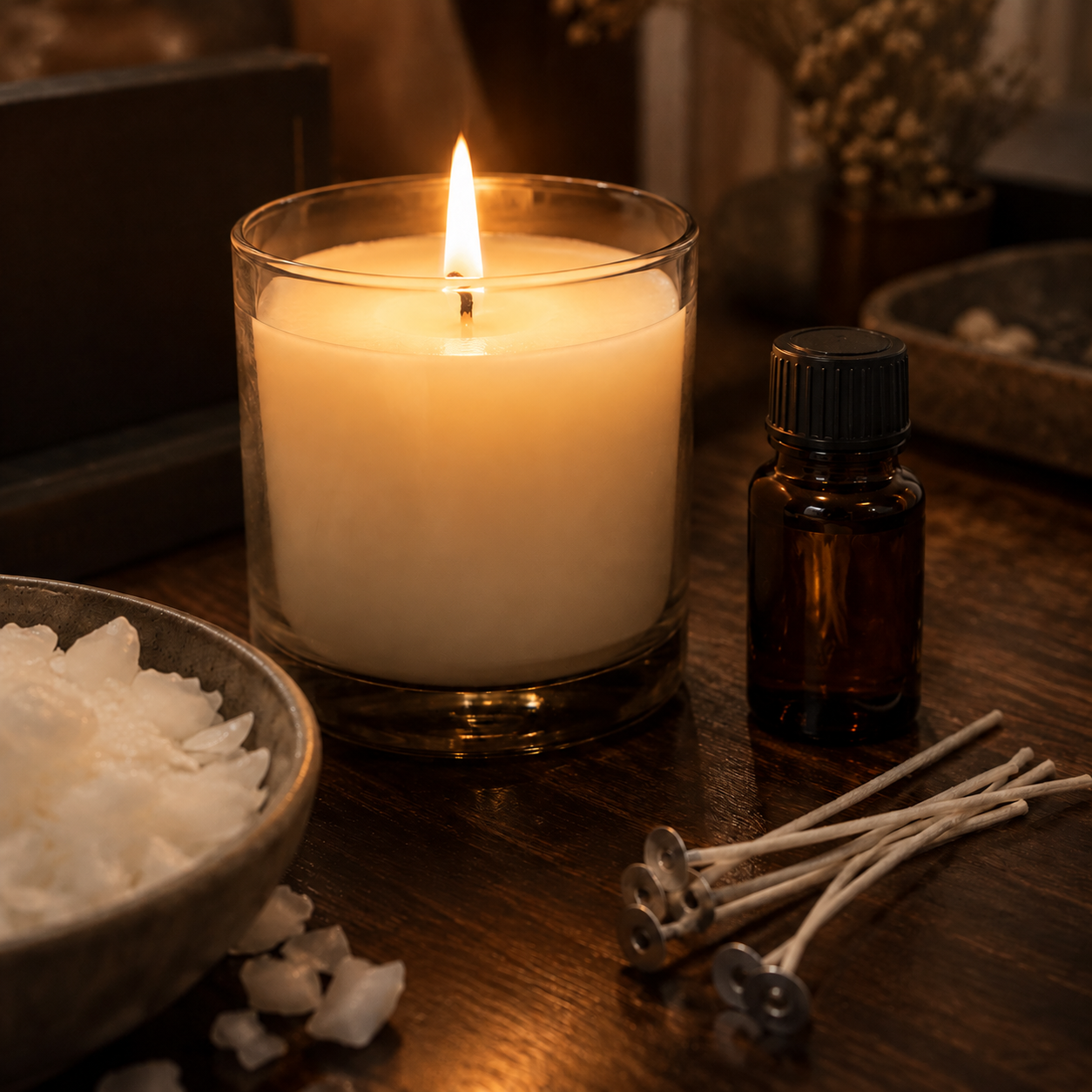 How Fragrance Oils Work in Candles?