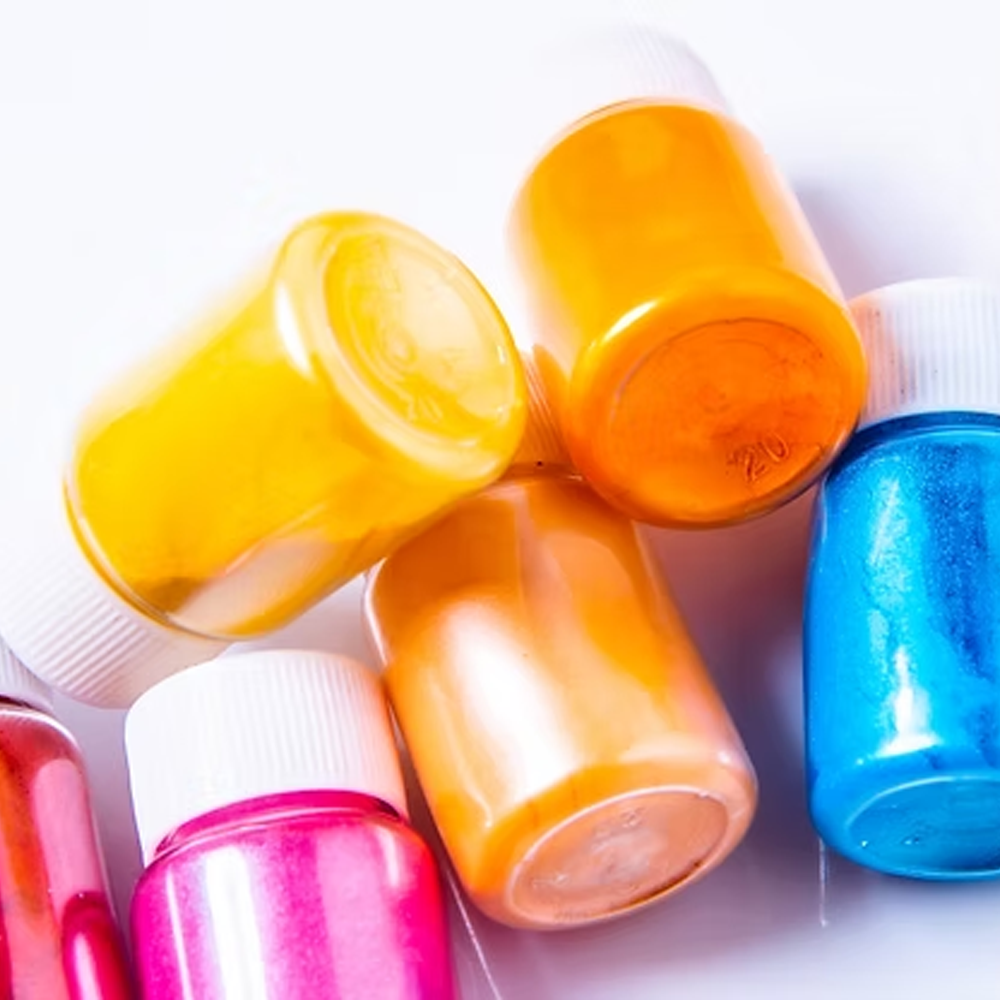
Selecting the right colorant for car wash foam or detergent products may seem like a simple task, but in practice it involves much more than choosing a visually attractive color. Whether you are developing a new car shampoo, foam detergent, or vehicle cleaning solution, the colorant you select must not only deliver the desired appearance but also maintain stability, compatibility, and performance throughout the product’s lifecycle.
With thousands of dyes and pigments available on the market, choosing the ideal colorant can become a time-consuming process. A bright and attractive color is important for product identification, brand recognition, and customer experience, but technical performance should always be the priority.
The following seven factors are essential when selecting a colorant for car wash foam and detergent formulations.
1. pH Stability: Ensuring Long-Term Color Performance
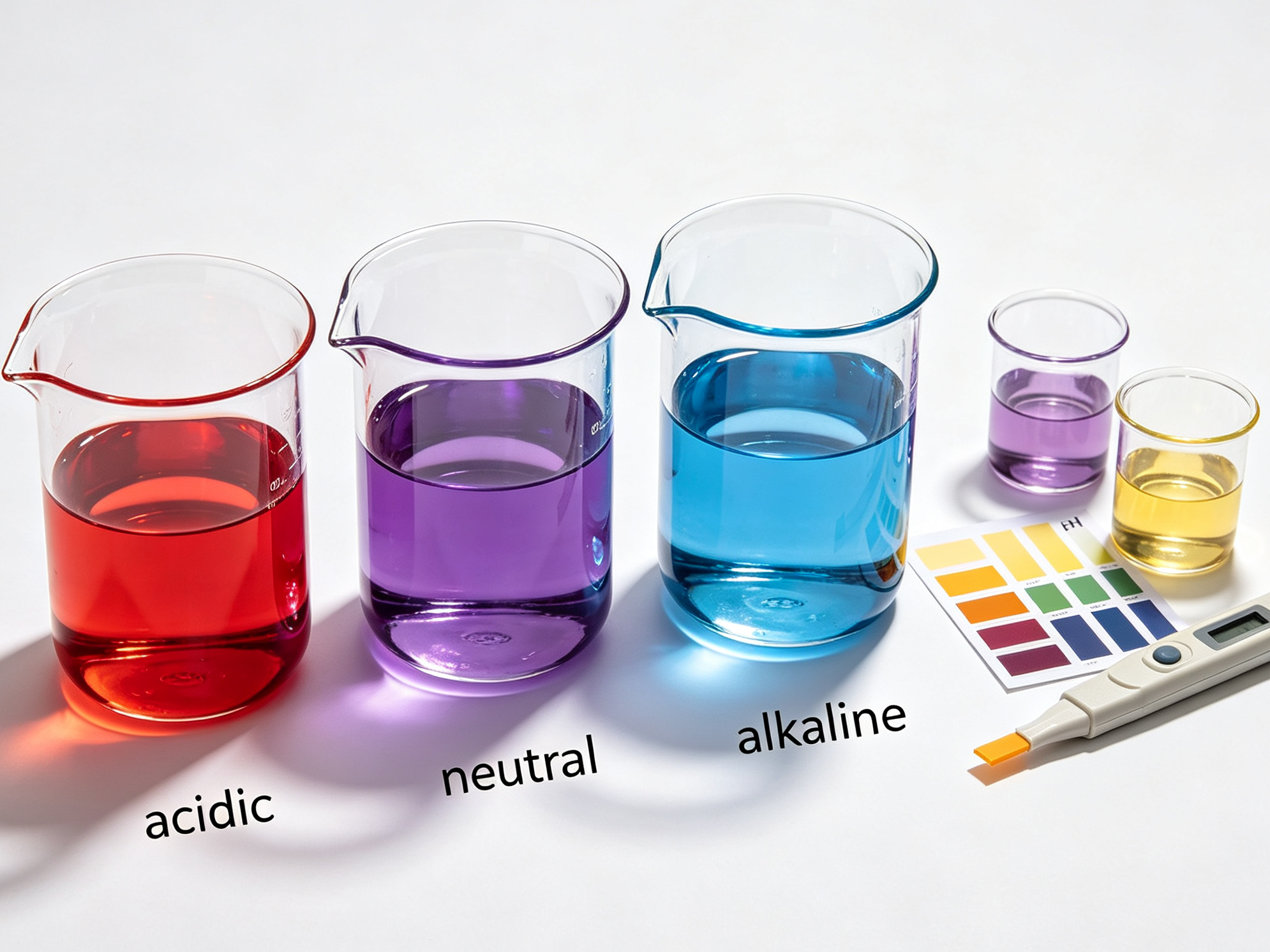
pH stability is one of the most important considerations when selecting a detergent colorant. Car wash formulations often contain alkaline builders, surfactants, solvents, and other chemical ingredients that can influence the stability of the color system.
Different colorants perform best within specific pH ranges. A colorant that works well in neutral products may fade, shift in shade, or lose intensity when used in highly alkaline cleaning formulations. Therefore, it is important to choose a colorant that remains stable under the actual pH conditions of your car wash product.
A properly selected colorant helps ensure consistent color appearance from production to storage and final application.
2. Chemical Compatibility: How Well Does the Colorant Work With Your Formula?
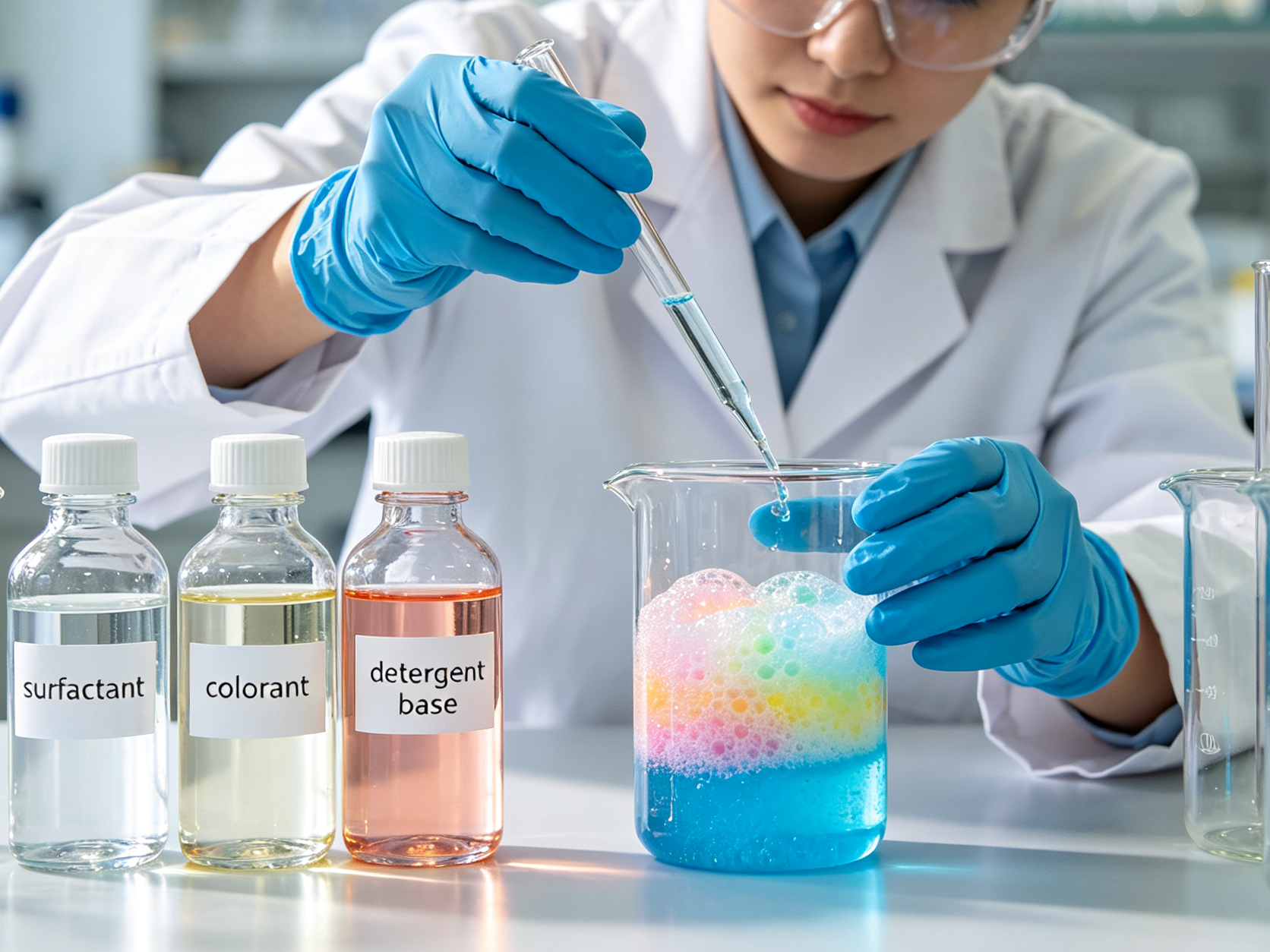
A colorant does not work independently inside a detergent system. It interacts with surfactants, preservatives, fragrances, thickeners, solvents, and other formulation components.
Poor chemical compatibility may cause unexpected issues such as color changes, separation, precipitation, or reduced product stability. Before selecting a colorant, manufacturers should evaluate how it performs within the complete formulation rather than testing it separately.
Compatibility testing is especially important for concentrated car wash products, where the interaction between ingredients is often more complex.
3. Solubility: Maintaining Uniform Color Distribution
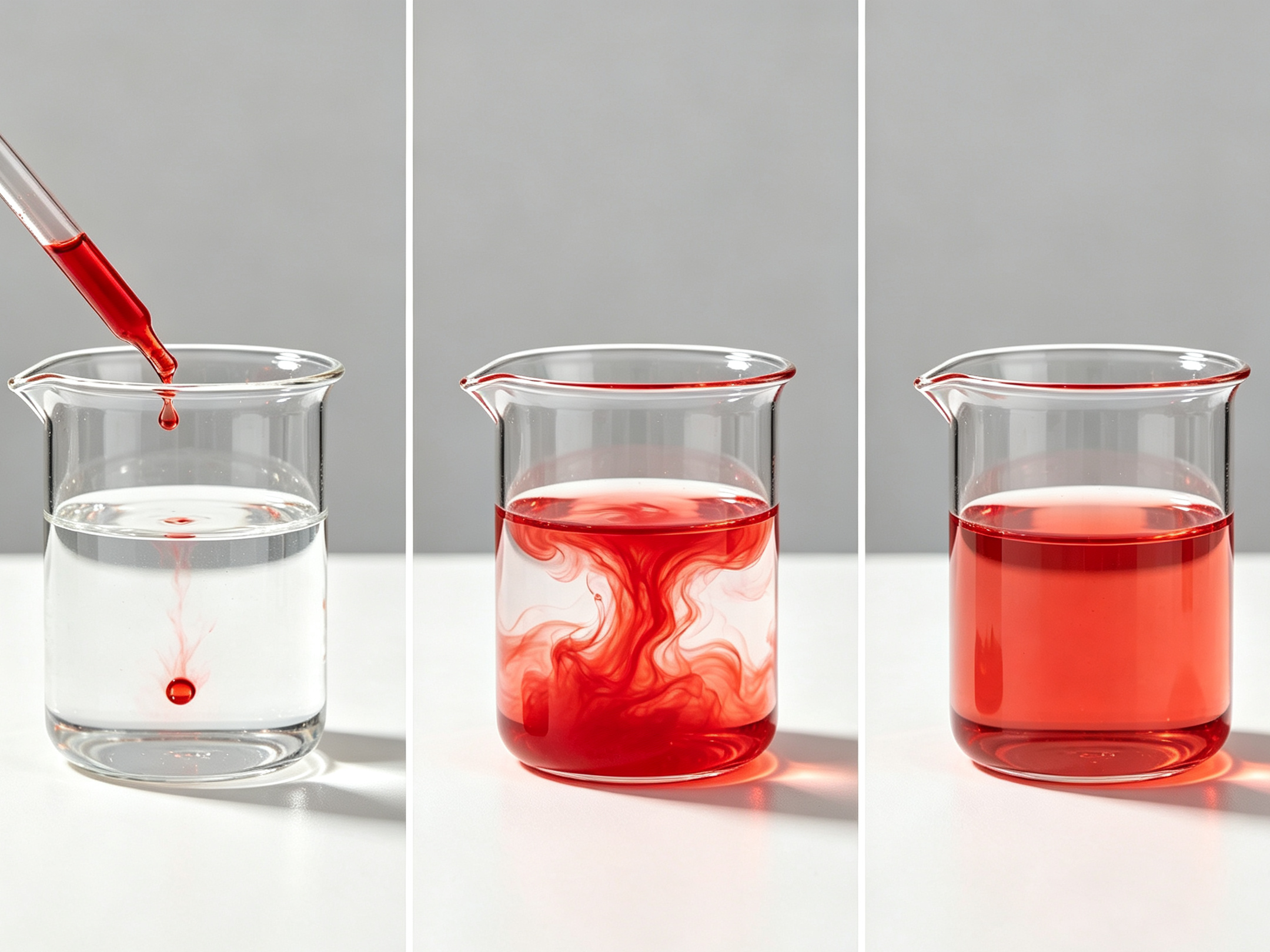
Solubility directly affects the appearance and stability of colored detergents. A suitable colorant should dissolve or disperse evenly in the formulation without creating sediment, cloudiness, or uneven coloration.
For liquid car wash products, soluble dyes are often preferred because they can provide clear and vibrant colors. However, the choice between dyes and pigments depends on the product requirements, formulation structure, and desired visual effect.
A well-balanced color system ensures that the product maintains a consistent appearance throughout its shelf life.
4. Staining Characteristics: Providing Color Without Surface Damage
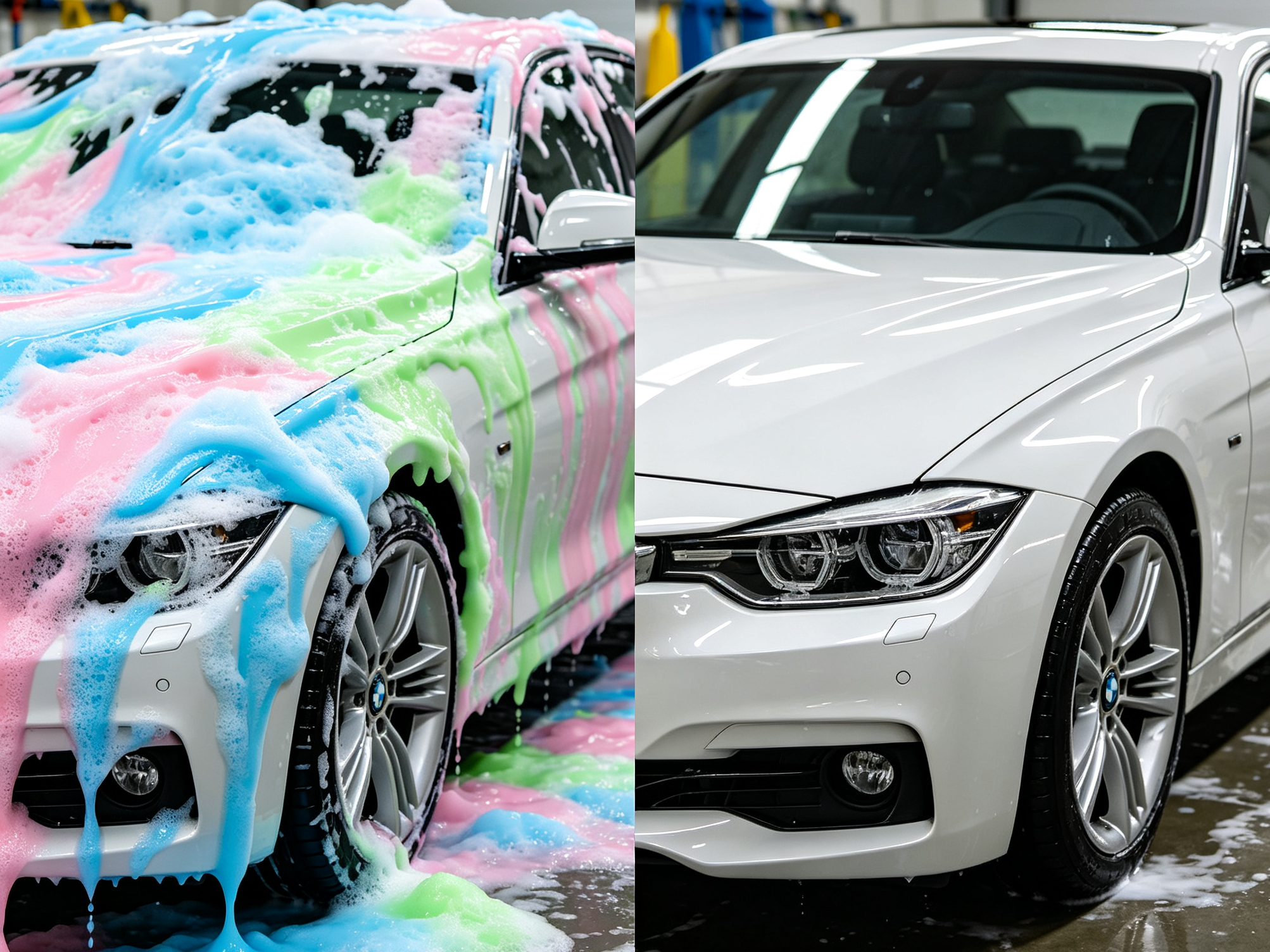
One of the most important performance requirements for car wash colorants is avoiding unwanted staining. The colorant should create an attractive foam appearance while being easily rinsed away during the cleaning process.
A poorly selected colorant may leave unwanted residues on vehicle surfaces, equipment, floors, or surrounding areas. This can negatively affect customer experience and create additional cleaning problems.
For professional car wash applications, colorants should be evaluated not only for their visual impact but also for their rinse-off performance and surface safety.
5. UV Stability: Protecting Color During Storage and Use
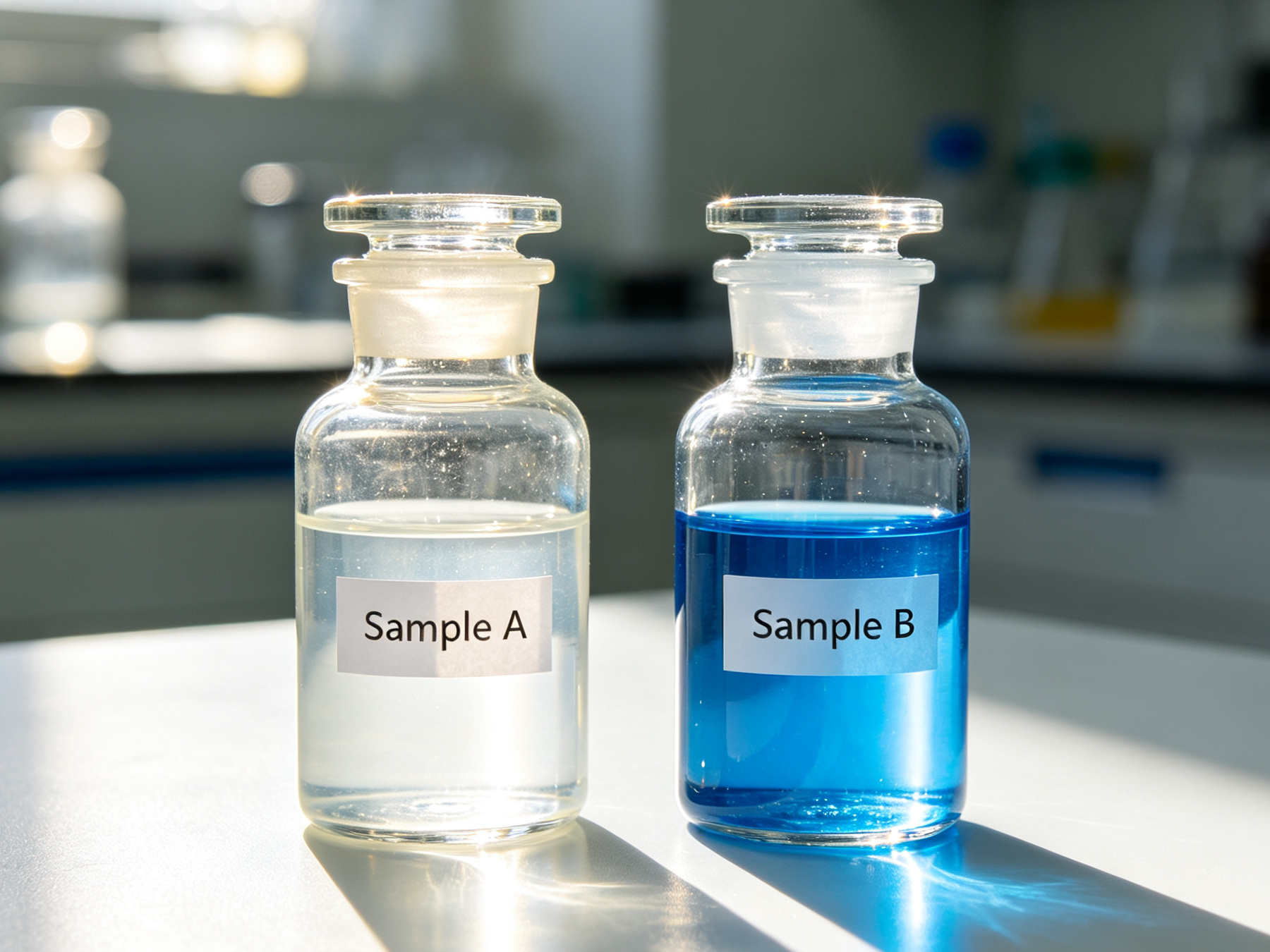
Exposure to sunlight can gradually degrade certain colorants, causing fading or color changes during storage. This is particularly important for car wash products packaged in transparent containers or displayed in outdoor environments.
A UV-stable colorant helps maintain the original product appearance throughout transportation, warehouse storage, and retail use. Long-term color retention also contributes to stronger brand consistency.
6. Liquid or Powder Colorants: Choosing the Right Form
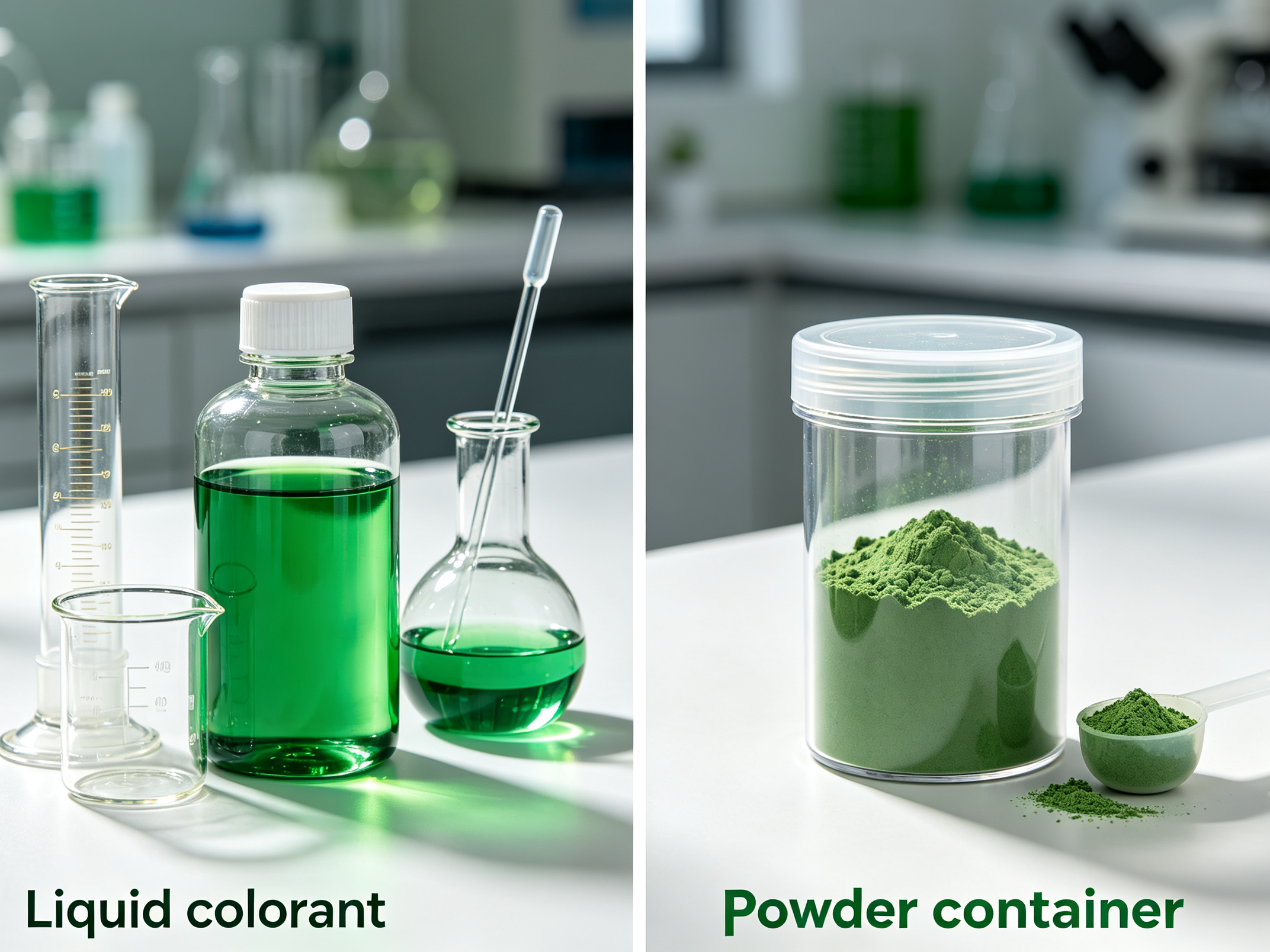
Colorants are commonly available in liquid or powder forms, and the best choice depends on the manufacturing process and application requirements.
Liquid colorants are often easier to handle, measure, and incorporate into liquid detergent systems, making them suitable for many car wash formulations. Powder colorants may offer advantages in certain applications where higher concentration or transportation efficiency is required.
Manufacturers should consider factors such as mixing equipment, production scale, storage conditions, and formulation requirements when selecting the appropriate colorant form.
7. Cost Efficiency: Looking Beyond the Initial Price
The lowest-cost colorant is not always the most economical choice. Color strength, dosage requirements, stability, and long-term performance all influence the actual cost of a colorant.
A highly concentrated and stable colorant may require a lower dosage, reduce production issues, and provide better value over time. When comparing suppliers, manufacturers should evaluate overall performance rather than focusing only on the purchase price.
Choosing the Right Colorant Creates Better Products
Selecting the right colorant for car wash foam and detergent products requires a balance between appearance, stability, compatibility, and cost effectiveness.
A carefully chosen colorant can help manufacturers avoid issues such as unwanted staining, formulation instability, and color fading. It also ensures that the final product maintains its appearance during storage and use while delivering a consistent experience for customers.
For car wash chemical manufacturers, investing time in colorant selection is not only about creating an attractive product—it is about developing a reliable, high-quality cleaning solution that performs well in real-world applications.