Epoxy surfaces, renowned for their durability and clarity, are often the centerpiece of many functional and decorative pieces. From countertops to intricate resin art, epoxy is designed to withstand daily use. However, even the toughest coatings may show signs of wear over time. The good news is, you don’t have to start over. By refreshing your epoxy surfaces, you can restore their original look and extend their longevity.
Why You Might Need to Refresh Your Epoxy
Epoxy surfaces are durable, but they are not immune to wear and environmental factors. Here are some common reasons people refresh their epoxy coatings:
1. Minor Surface Scratches:
Frequent use can lead to light scratches, particularly on high-traffic areas like tables or countertops. These minor blemishes can be fixed with a quick touch-up rather than a full refinishing.
2. Dulling or Loss of Gloss:
Over time, surface gloss may fade, especially in areas with moderate use. While this is not damage, it reduces the light reflection, which can make the surface look worn. A fresh topcoat will restore its shine.
3. Cloudiness from Moisture or Heat Exposure:
High moisture or heat exposure can cause epoxy surfaces to become cloudy, reducing their clarity. Sanding and recoating can restore the transparency and clarity of the surface.
4. Surface Yellowing from UV Exposure:
UV exposure over time can cause some epoxies to yellow. While UV-resistant coatings can slow down the process, a fresh coat can help rejuvenate the surface, especially when UV-blocking additives are used.
5. Chipping or Gouging:
Accidental impacts or years of heavy use may cause chips or gouges. These deeper imperfections can be repaired by sanding the affected area and applying a new layer of epoxy.
6. Outdated or Faded Art in Resin Pieces:
For resin art or decorative trays, a faded finish or discoloration can make the piece look less vibrant. By sanding the old finish and adding a new layer of epoxy, you can bring back the brightness and fresh appearance.
Step-by-Step: How to Refresh Your Epoxy Surface
Refreshing an epoxy finish is straightforward if you follow the right steps:
Step 1: Clean the Surface Thoroughly
Start by cleaning the surface with warm water and mild dish soap to remove any dirt or grease. For stubborn areas, use isopropyl alcohol.
Step 2: Assess the Surface
Examine the surface for scratches or damage. Minor flaws can be fixed with light sanding, while deeper imperfections require more intensive work.
Step 3: Sand the Entire Surface
Use sandpaper (220-grit for light sanding or 120-grit for deeper flaws) to scuff the surface. Sanding ensures the new epoxy bonds well with the previous layer. For complex surfaces, hand-sanding may be necessary to preserve intricate details.
Step 4: Clean Again After Sanding
After sanding, use a vacuum or tack cloth to remove dust. Wipe the surface with isopropyl alcohol to eliminate any residue and allow it to dry.
Step 5: Mix and Apply the New Epoxy Layer
Mix the epoxy as per the product’s instructions. Apply a thin layer of epoxy evenly across the surface, ensuring a smooth finish. Use a torch or heat gun to remove air bubbles.
Step 6: Let the Epoxy Cure
Allow the epoxy to cure for approximately 72 hours in a climate-controlled area. Do not disturb the surface during this time.
Special Cases:
- For Resin Art: Mask surrounding areas before sanding and apply epoxy carefully to preserve fine details.
- For Trays and Non-Flat Surfaces: Use a brush or foam roller for even application. Prop trays at an angle to avoid pooling along the edges.
Maintaining Your Epoxy Finish
Want to avoid frequent refreshes? Proper care is key to extending the life of your epoxy surfaces:
Avoid Harsh Cleaners:
Clean with mild soap and water or a non-abrasive cleaner to protect the surface from scratches.
Use Heat Protection:
While epoxy is heat-resistant, it’s not heatproof. Always use trivets or heat pads under hot objects.
Minimize UV Exposure:
Use UV-blocking window films or store epoxy surfaces away from direct sunlight to avoid premature yellowing.
Polish Occasionally:
Use a plastic polish or automotive-grade compound to restore gloss without needing to recoat.
The Pitfalls of Budget Epoxies
Choosing cheap epoxy products may seem cost-effective at first, but they often lead to problems in the long run. Here’s why:
Inconsistent Formulas:
Low-cost epoxies often lack quality control, leading to uneven curing or premature discoloration, especially when exposed to heat or sunlight.
Poor Longevity and Finish:
Budget epoxies use lower-grade resins that tend to yellow, crack, or become cloudy more quickly. They can also peel or delaminate when re-coated.
Health and Safety Concerns:
Many inexpensive epoxies contain higher levels of VOCs or unregulated additives that can be harmful during application and curing.
Conclusion: Choosing Quality for Long-Lasting Results
When it comes to epoxy coatings, opting for a high-quality product ensures both longevity and performance. A well-maintained epoxy surface, refreshed as needed, can last for years while retaining its beauty and function. By following proper care and maintenance techniques, you can avoid frequent restorations and enjoy your epoxy surfaces for much longer.
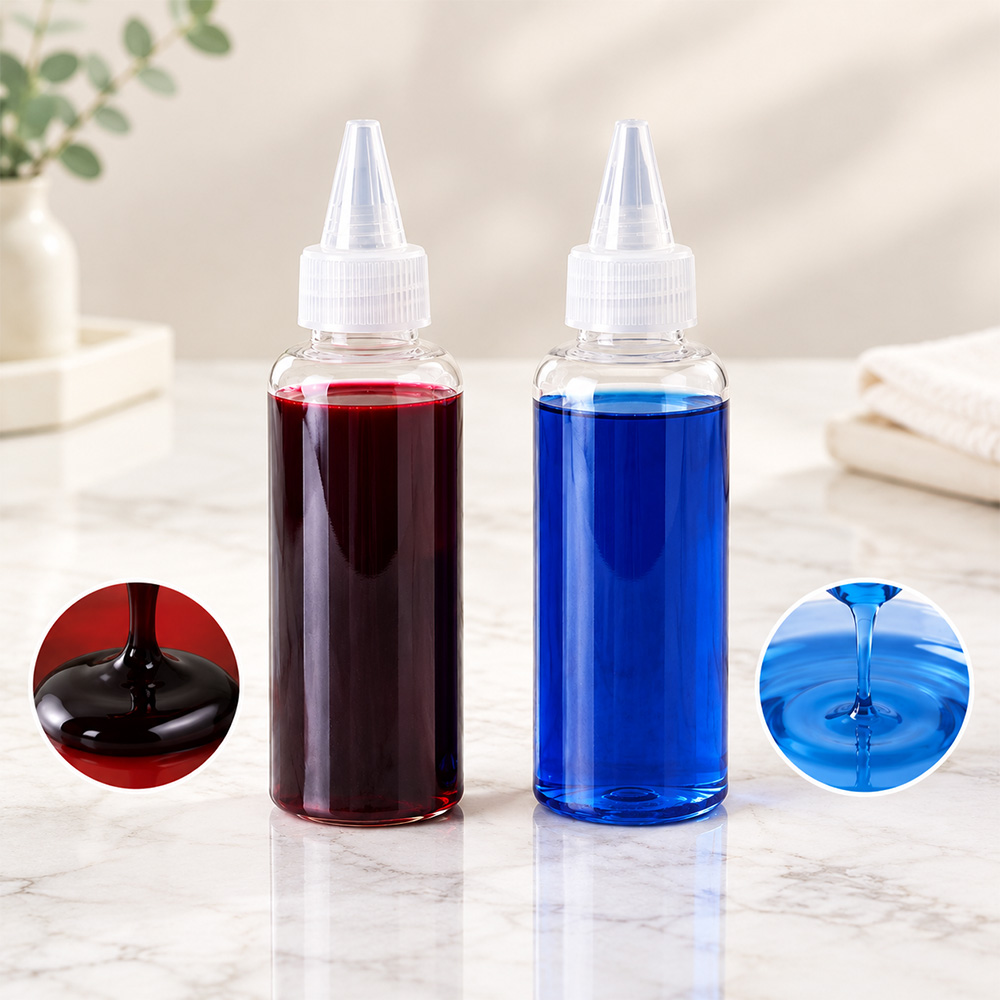 Water-Soluble vs Oil-Soluble Dyes for Candles: Which One Works in Wax?
 Fragrance Oil for Candles: Performance Evaluation Guide
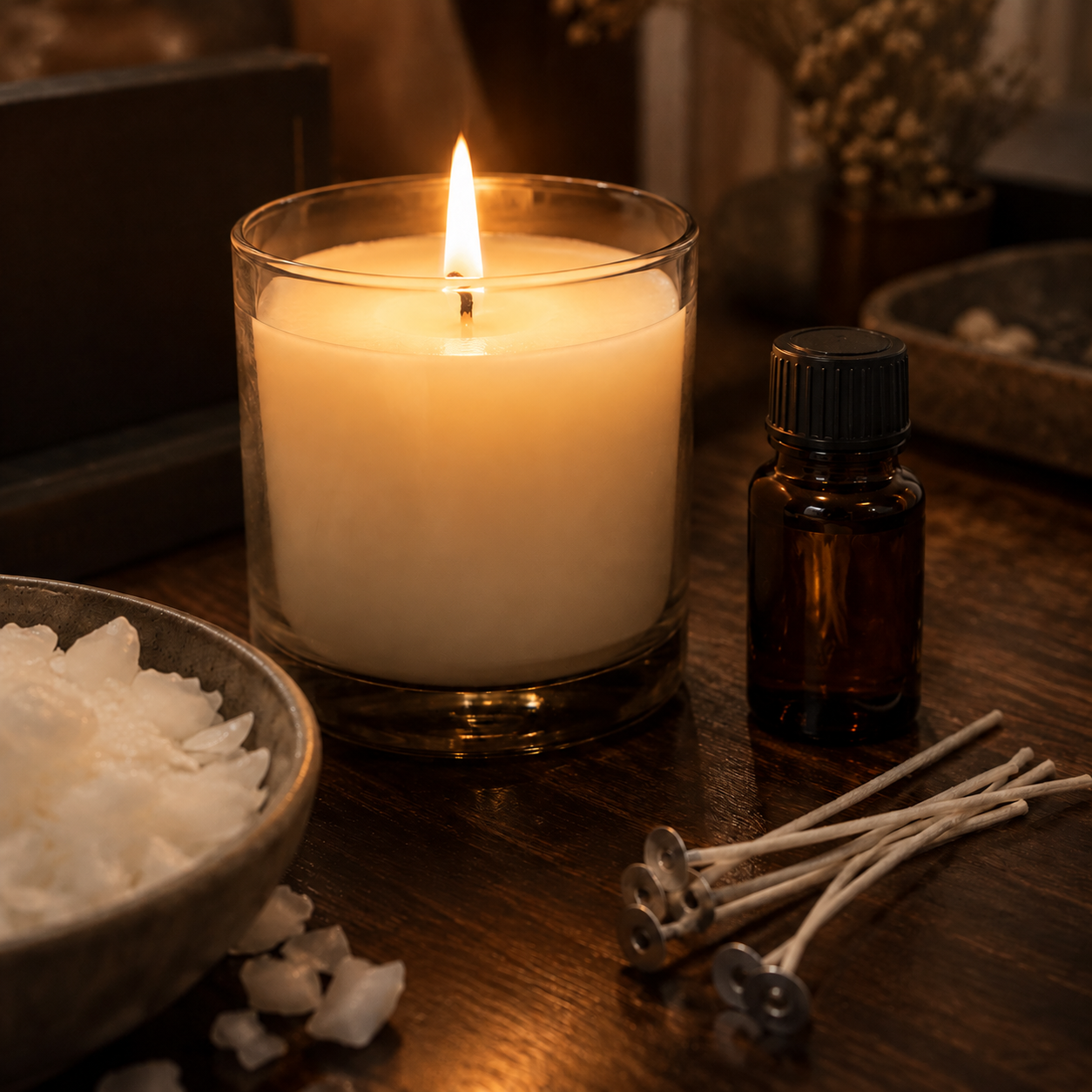 How Fragrance Oils Work in Candles?