Create Rich Candle Colors With Cleaner Ingredients
Color is one of the first things customers notice when they see a candle. Before a fragrance is ever smelled, the color already creates an emotional impression. Deep greens feel earthy and calming, soft lavender shades suggest relaxation, while darker tones like charcoal or indigo often give candles a more luxurious and modern appearance. In candle making, color is not simply decoration. It helps define mood, reinforce fragrance identity, and shape the overall aesthetic of a candle collection.
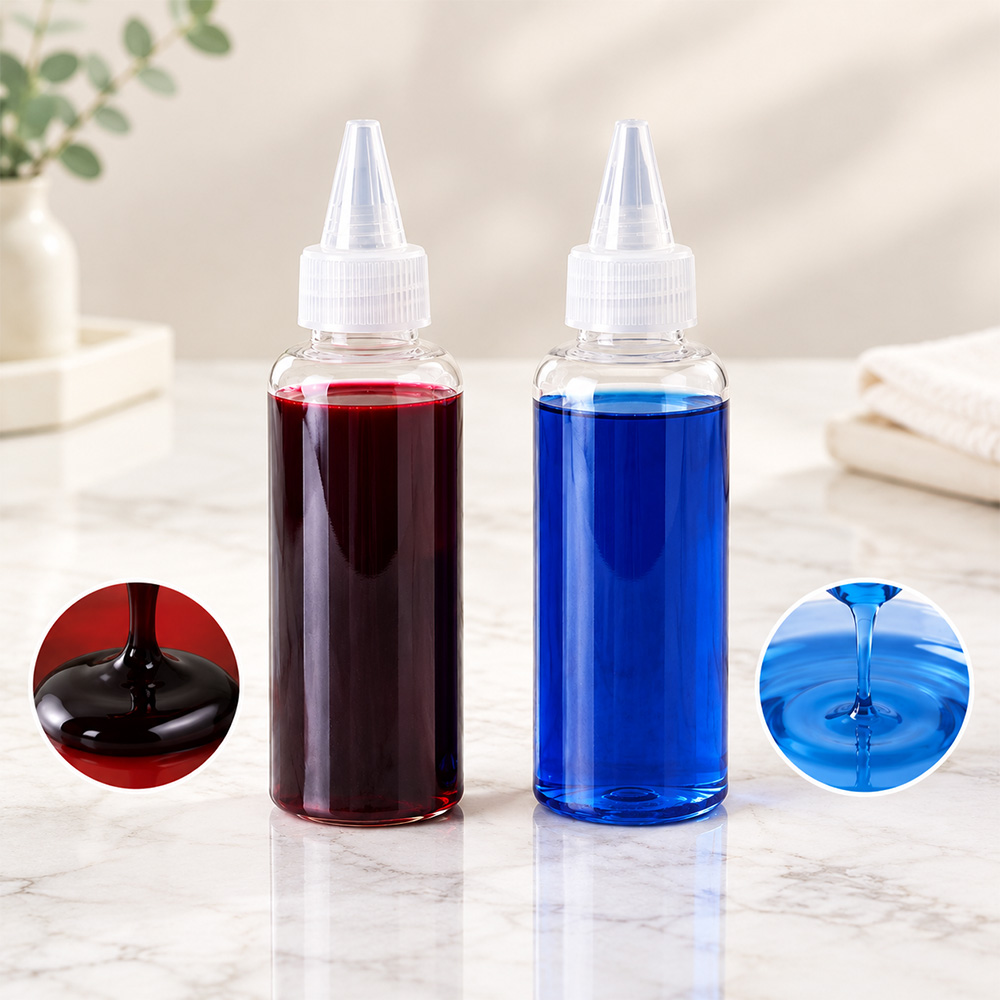
As more makers shift toward natural waxes like soy and coconut blends, achieving strong and consistent color has become more important than ever. Traditional candle dyes can sometimes appear dull in natural waxes or produce uneven results, especially in lighter formulations. Eco-friendly liquid candle dyes offer a cleaner and more reliable solution for candle makers who want vibrant color without compromising the quality of their ingredients.
Why More Candle Makers Are Switching to Liquid Dyes
Liquid candle dyes have become increasingly popular because they are easy to control, highly concentrated, and extremely versatile. Unlike dye chips or blocks that may require additional melting time, liquid dyes blend quickly into melted wax and allow makers to adjust shades with much greater precision. Even small changes in the number of drops can create noticeably different tones, making it easier to develop custom color palettes for seasonal launches or signature collections.
For small businesses and independent makers, consistency is especially important. Customers expect repeat purchases to look the same from batch to batch, and liquid dyes make that process easier by allowing more accurate measurements and smoother blending. They are also ideal for testing new color combinations without wasting large amounts of wax or fragrance oil.
Another reason many brands are moving toward eco-friendly dye systems is the growing demand for cleaner candle ingredients. Modern consumers pay closer attention to sustainability claims and product transparency than they did a few years ago. Dyes formulated without parabens or phthalates, produced through cruelty-free processes, and supported by renewable solvent systems help brands align with these changing expectations while maintaining strong visual performance.
How Color Influences Candle Branding
In the candle industry, color plays a major role in visual storytelling. Customers often associate specific shades with fragrance families, seasons, or emotional experiences. Forest-inspired scents are commonly paired with greens and earthy neutrals, while floral fragrances often use softer purples, blush tones, or muted pastels. Bright citrus candles frequently appear in warm yellows or oranges because customers instinctively connect those colors with freshness and energy.
The most successful candle brands usually develop a recognizable visual language through consistent color choices. Some focus on soft minimalist neutrals, while others build collections around bold saturated tones or dark luxury-inspired palettes. Choosing intentional color combinations can make products feel more cohesive across a website, retail shelf, or social media feed.
Eco-friendly liquid dyes make this process much easier because they can be blended into countless variations. A single indigo dye may produce anything from a pale smoky blue to a rich midnight tone depending on concentration. Scarlet can range from soft blush pink to deep berry red. Mixing colors together opens even more possibilities, allowing makers to create custom shades that feel unique to their brand rather than relying on generic pre-made colors.
Tips for Using Liquid Candle Dye in Soy Wax
For the best color consistency, liquid dyes should generally be added once the wax is fully melted but before fragrance oil is introduced. Most candle makers achieve reliable results when working around 170 to 180 degrees Fahrenheit. Excessive heat exposure over long periods may cause some dyes to fade or shift in tone, especially lighter shades.
Natural waxes also behave differently from paraffin wax when color is added. Soy wax often produces softer and creamier results because of its naturally opaque appearance, while coconut blends may allow slightly brighter color payoff. Fragrance oils can also influence final color performance. Vanilla-heavy fragrances, for example, may darken over time and alter pale shades during curing.
Testing is one of the most important parts of the coloring process. Small adjustments in dye concentration can dramatically change the final appearance once the candle cools and fully cures. Many makers keep detailed notes during testing so they can consistently reproduce successful shades in future batches.
Creating Signature Candle Colors
One of the biggest advantages of liquid candle dyes is the ability to create custom blends. Combining different shades allows candle makers to develop original color identities that stand out from competitors. A touch of ebony can deepen indigo into a dramatic navy tone, while blending violet with scarlet can create muted mauves or dusty rose variations. Moss combined with darker pigments often produces earthy greens that work beautifully in botanical or woodland-inspired collections.
These custom combinations help transform candles from simple home fragrance products into fully branded design pieces. Color becomes part of the customer experience in the same way fragrance does. When paired thoughtfully, scent and color work together to create stronger emotional connections and more memorable products.
Final Thoughts
Eco-friendly liquid candle dyes offer candle makers a practical way to achieve vibrant color, cleaner formulations, and greater creative flexibility. Whether you prefer soft minimalist tones or bold dramatic palettes, liquid dyes make it easier to customize colors for different waxes, fragrances, and brand aesthetics. As competition within the candle industry continues to grow, thoughtful color design can help products feel more polished, recognizable, and visually compelling both online and in person.
 Water-Soluble vs Oil-Soluble Dyes for Candles: Which One Works in Wax?
 Fragrance Oil for Candles: Performance Evaluation Guide
 How Fragrance Oils Work in Candles?