Mica powder is a versatile material widely used in crafts, cosmetics, soap making, resin art, candles, and decorative applications. With its fine particle size, reflective properties, and ability to create pearlescent effects, mica powder helps add color, depth, and visual appeal to many products.
Due to its excellent heat resistance and stable physical properties, mica powder can be incorporated into various formulations and creative projects. From handmade products to industrial applications, mica powder provides a unique shimmering effect that enhances the appearance of finished products.
Understanding the different mica powder uses can help manufacturers, artists, and DIY creators choose the right type of mica powder for their projects.
What Is Mica Powder?
Mica powder is a finely ground mineral powder made from mica materials. It has a layered structure that allows it to reflect and scatter light, creating a natural shimmer or pearlescent appearance.
Depending on the manufacturing process and application requirements, mica powder can be produced from natural mica minerals or synthetic mica materials. Synthetic mica, such as synthetic fluorphlogopite, is commonly used in cosmetic and high-performance applications because of its high purity, consistent color, and smooth texture.
Mica powder is available in different particle sizes and colors, making it suitable for a wide range of uses, including cosmetics, decorative coatings, crafts, and personal care products.
Common Applications of Mica Powder
Mica Powder for Soap Making
Mica powder is commonly used in handmade soap production to add vibrant colors and a subtle shimmer effect. It can be mixed into soap bases such as melt-and-pour soap or cold process soap to create visually attractive soap bars.
Unlike some liquid colorants, mica powder provides a stable pigment effect and can create different finishes, from soft pearl tones to metallic effects.
For soap applications, cosmetic-grade mica powder is usually preferred because it is designed for products that come into contact with skin.
Mica Powder in Resin Art
Mica powder is widely used in epoxy resin and casting projects. When mixed with resin, it creates a smooth pearlescent appearance and can produce effects similar to marble, gemstones, metallic surfaces, and ocean-style designs.
The powder disperses throughout the resin system, allowing artists and manufacturers to create customized colors and visual effects for products such as jewelry, decorative panels, trays, and artwork.
Different particle sizes can influence the final appearance. Fine mica powder creates a softer shimmer, while larger particles provide stronger reflective effects.
Mica Powder for Candle Making
Mica powder can be used in candle decoration and some wax-based craft applications. It is often applied to candle surfaces or used for decorative effects because of its reflective appearance.
When used in candle projects, the compatibility between mica powder and wax should be considered. Since mica particles do not dissolve in wax, they may affect burning performance if used in high concentrations. For this reason, mica powder is commonly used for external decoration or special effect applications rather than as the primary candle colorant.
Mica Powder in Painting and Crafts
Artists use mica powder to create metallic and pearlescent finishes in painting, handmade crafts, polymer clay, and decorative projects.
It can be blended with acrylic paint, resin, glue, or other mediums to produce custom colors and shimmering surfaces. In paper crafts, greeting cards, and mixed-media artwork, mica powder adds texture and reflective details.
For polymer clay projects, mica powder can be brushed onto surfaces before baking or mixed directly into clay to create unique visual effects.
Mica Powder Uses in Cosmetics and Personal Care Products
Cosmetic-grade mica powder is widely used in makeup formulations because of its smooth texture and light-reflecting properties.
Mica Powder in Makeup
Mica powder is commonly found in products such as eyeshadow, blush, highlighter, foundation, and pressed powders. It helps create a silky texture and provides a natural-looking glow or shimmer effect.
Synthetic mica, including synthetic fluorphlogopite, is increasingly used in cosmetic formulations because it offers consistent quality, high whiteness, and a smooth skin feel.
Only mica powder specifically manufactured and tested for cosmetic applications should be used in products intended for skin contact.
Mica Powder for Nail Art and Body Products
Mica powder can also be used in nail art to create metallic, pearl, and glitter-like finishes. It may be applied directly onto nail surfaces or blended with clear coatings.
In personal care products such as body lotions, balms, and body powders, mica powder provides a decorative shimmer effect. The selected mica should always meet cosmetic-grade requirements for safety and performance.
Can Mica Powder Be Used in Food?
Not all mica powders are suitable for food applications.
Most mica powders used for crafts, cosmetics, and industrial purposes are not intended for consumption. Food applications require specially manufactured edible mica or approved food-grade pearlescent pigments that comply with relevant food safety regulations.
Before using mica powder in food-related products, always verify that the material is specifically labeled for edible use.
Safety Considerations When Using Mica Powder
Because mica powder consists of fine particles, proper handling is important during production and crafting.
Avoid creating excessive airborne dust when handling dry powder. Using appropriate protective equipment, such as a dust mask, and working in a well-ventilated environment can reduce inhalation risks.
For cosmetic applications, only use mica powder that is specifically labeled as cosmetic grade. Industrial or craft-grade mica powders should not be applied directly to skin.
Proper storage in sealed containers also helps maintain powder quality and prevents contamination.
How to Mix Mica Powder with Different Materials
The mixing method depends on the application.
For resin projects, mica powder is usually added gradually after the resin components are combined. Slow mixing helps achieve even dispersion and reduces air bubbles.
For soap making, mica powder can be dispersed into a small amount of liquid or directly blended into the soap base depending on the formulation.
For painting and crafts, mica powder can be combined with mediums such as acrylic paint, glue, or clear coatings to create customized shimmering effects.
Conclusion
Mica powder is a multifunctional material used across cosmetics, crafts, soap making, resin art, candles, and decorative applications. Its ability to create pearlescent colors, metallic effects, and smooth finishes makes it a popular choice for both creative projects and product development.
With different grades, particle sizes, and color options available, mica powder can be customized for various applications. Selecting the appropriate grade according to the end use is essential for achieving the desired appearance and performance.
Frequently Asked Questions About Mica Powder
What is mica powder used for?
Mica powder is used to add color, shimmer, and pearlescent effects to cosmetics, soaps, resin products, crafts, paints, and decorative materials.
Is mica powder safe for skin?
Cosmetic-grade mica powder is suitable for use in cosmetic products when it meets relevant safety standards. Craft-grade or industrial mica powder should not be applied to skin.
What are the benefits of mica powder?
Mica powder provides excellent light reflection, stable color performance, smooth texture, and versatile application possibilities.
Does mica powder dissolve in water?
Mica powder does not dissolve in water. Instead, the particles remain suspended and may settle over time, so continuous mixing may be required.
How much mica powder should be added to resin?
The amount depends on the desired color intensity and resin system. Generally, mica powder is added gradually until the required effect is achieved while maintaining proper resin flow and curing performance.
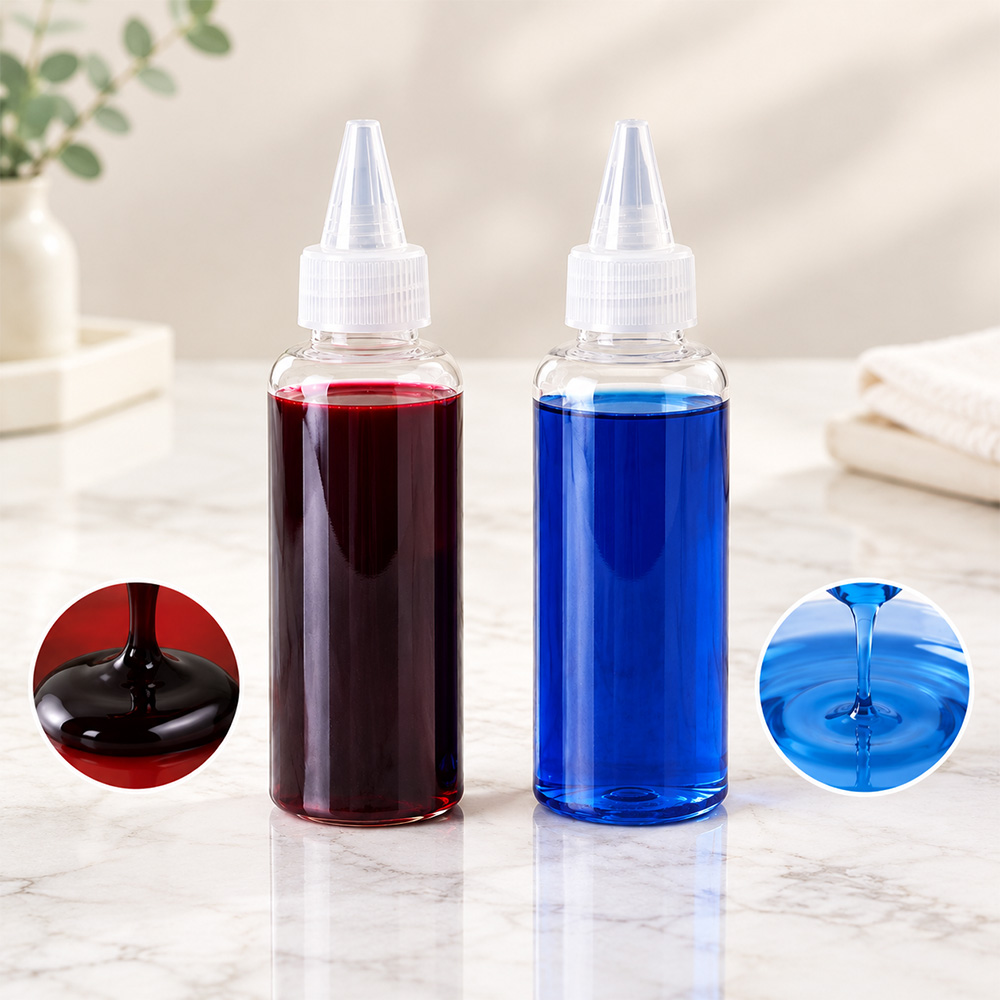 Water-Soluble vs Oil-Soluble Dyes for Candles: Which One Works in Wax?
 Fragrance Oil for Candles: Performance Evaluation Guide
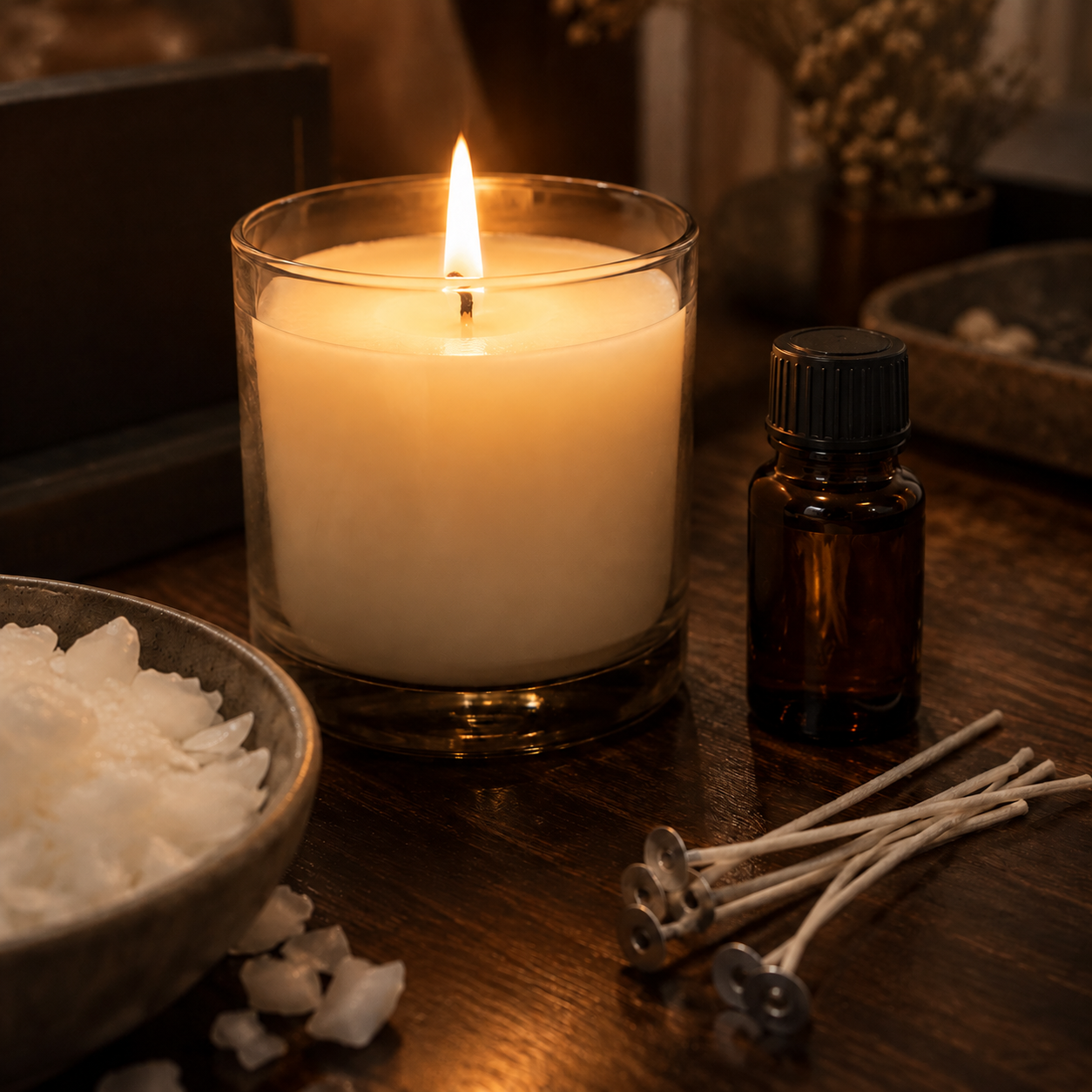 How Fragrance Oils Work in Candles?