Colorants play an important role in DIY crafts, but not every dye or pigment works with every material. Candle wax, liquid soap, epoxy resin, silicone, and glass all require different coloring solutions.
For DIY enthusiasts, craft brands, and wholesale buyers, understanding the differences between colorants helps achieve better results and avoid material compatibility issues.
1. What Types of DIY Craft Colorants Are Available?
Different craft materials require different colorant formulations. Here are several common options available from DIYRESINS.
Liquid Soap Dye
Liquid soap dyes are designed for coloring compatible soap formulations. They can be used in liquid soap and other suitable soap-making applications to create different shades.
Liquid Candle Dye
Liquid candle dyes are formulated for coloring candle wax. They are suitable for candle makers who want to adjust color intensity, develop custom shades, and produce consistent colored candles.
Epoxy Resin Alcohol Ink
Alcohol inks are used to create flowing colors, transparent effects, and artistic patterns in compatible resin applications. They are particularly useful for decorative resin projects.
Silicone Color Pigments
Silicone pigments are used to add color to compatible silicone materials, including silicone molds and molded craft products.
Moulding Powder Colorants and Water-Based Glass Paint
These products serve different applications. Moulding powder colorants are intended for compatible molding powder systems, while water-based glass paint is designed for decorative glass applications.
2. How Do You Choose the Right Colorant?
Before purchasing a colorant, consider three important factors:
-
Material Compatibility: Check whether the colorant is specifically formulated for your wax, soap, resin, silicone, or other base material.
-
Color Effect: Decide whether you need transparent coloring, opaque coverage, or decorative effects.
-
Application Performance: Consider dispersion, color consistency, stability, and compatibility with your production process.
Always follow the supplier’s recommended usage instructions and conduct a small-scale test before bulk production.
3. Can One Colorant Be Used for Different Materials?
Not necessarily.
A water-soluble soap dye, for example, should not automatically be used in oil-based candle wax. Similarly, silicone pigments and epoxy resin colorants are not interchangeable unless their compatibility has been confirmed.
Choosing an application-specific colorant helps achieve more predictable results and reduces formulation problems.
4. Where Can You Find Wholesale DIY Craft Colorants?
DIYRESINS supplies a range of craft colorants, including liquid soap dyes, liquid candle dyes, epoxy resin alcohol inks, silicone color pigments, moulding powder colorants, and water-based glass paints.
For wholesalers, distributors, and private label brands, customized colors, bulk orders, and product packaging solutions can help meet different market requirements.
Looking for a reliable colorant supplier?
Contact DIYRESINS to discuss your application requirements, product specifications, custom colors, and wholesale supply options.
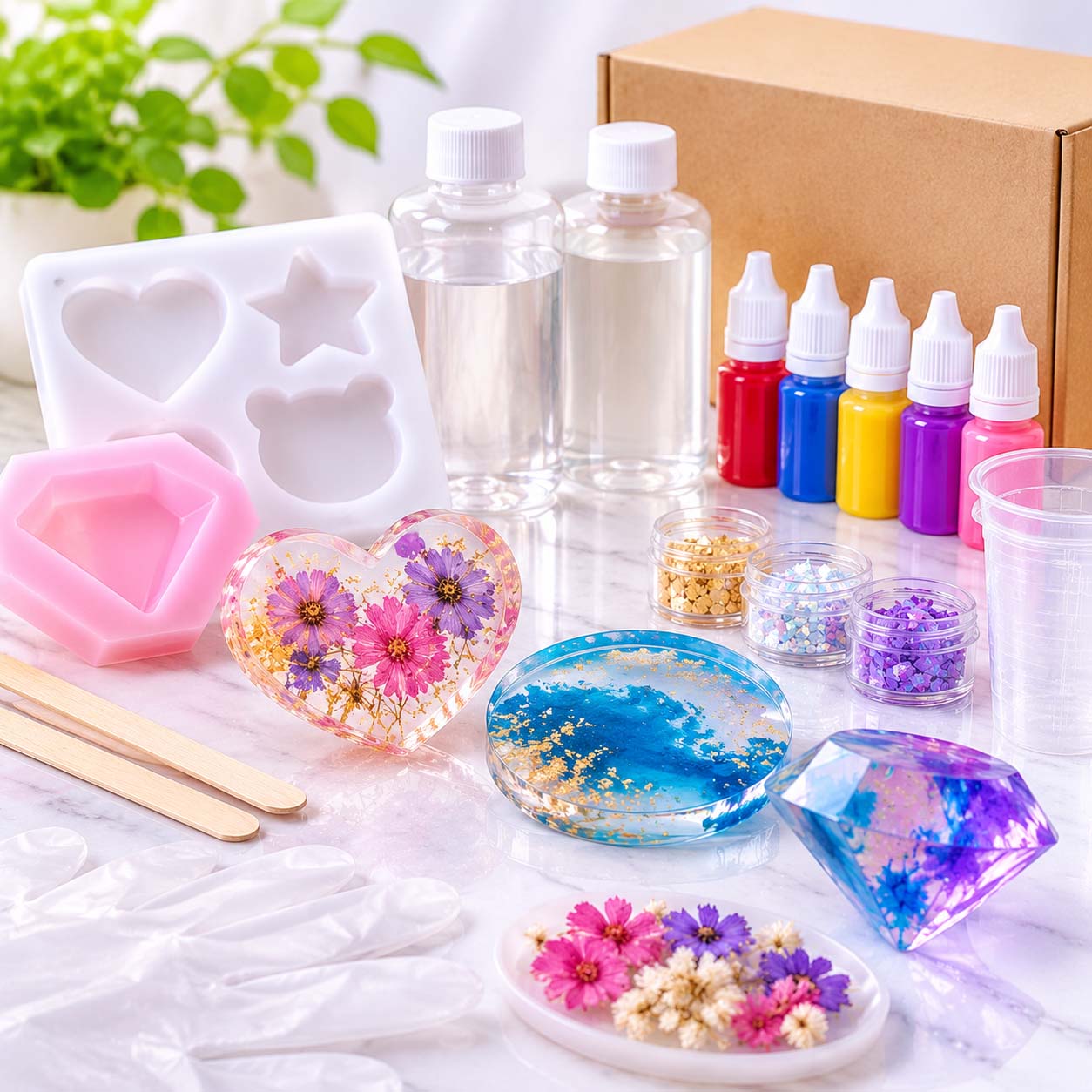 What Should a Wholesale DIY Resin Kit Include?
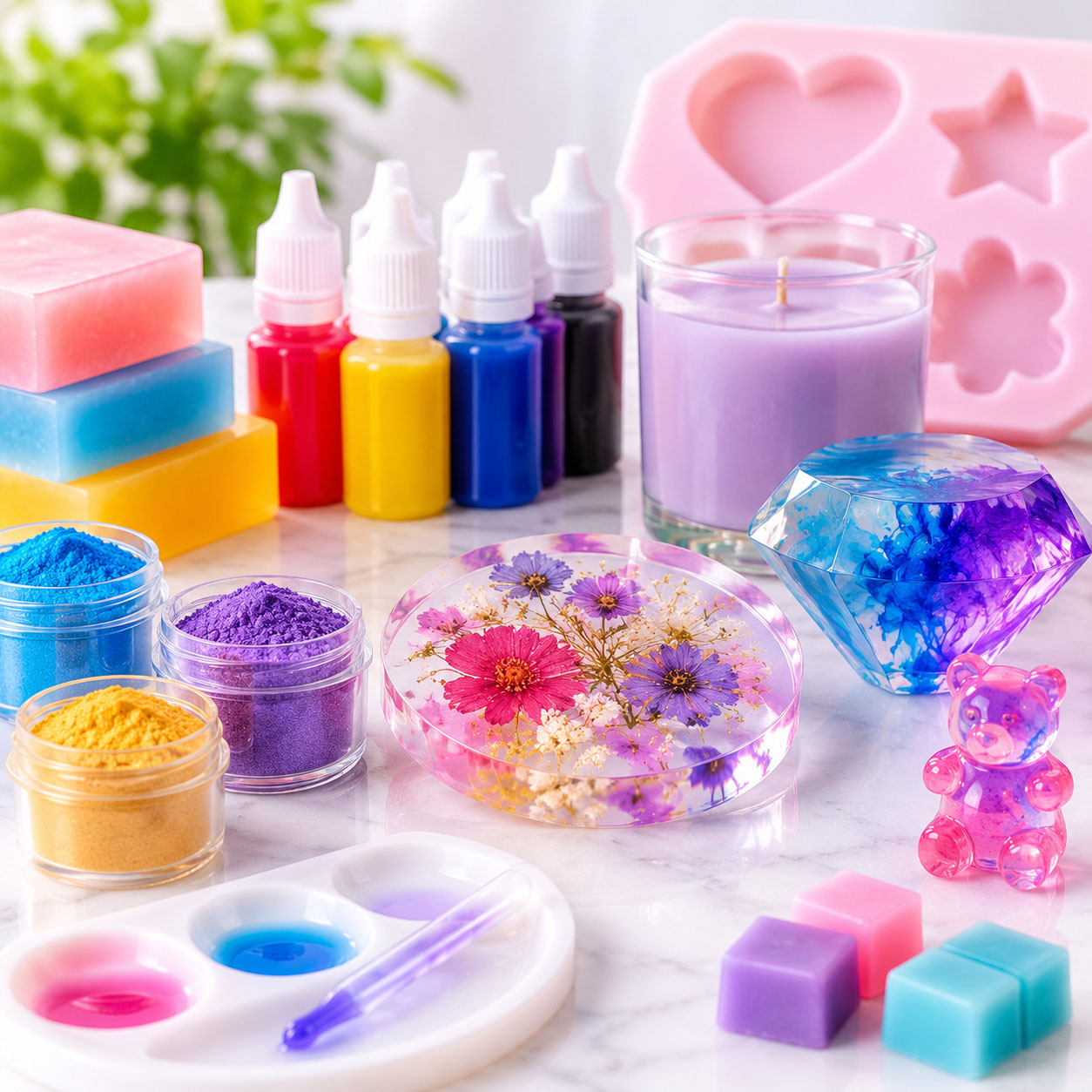 DIY Craft Colorants: What Types Are Available and How to Choose the Right One?
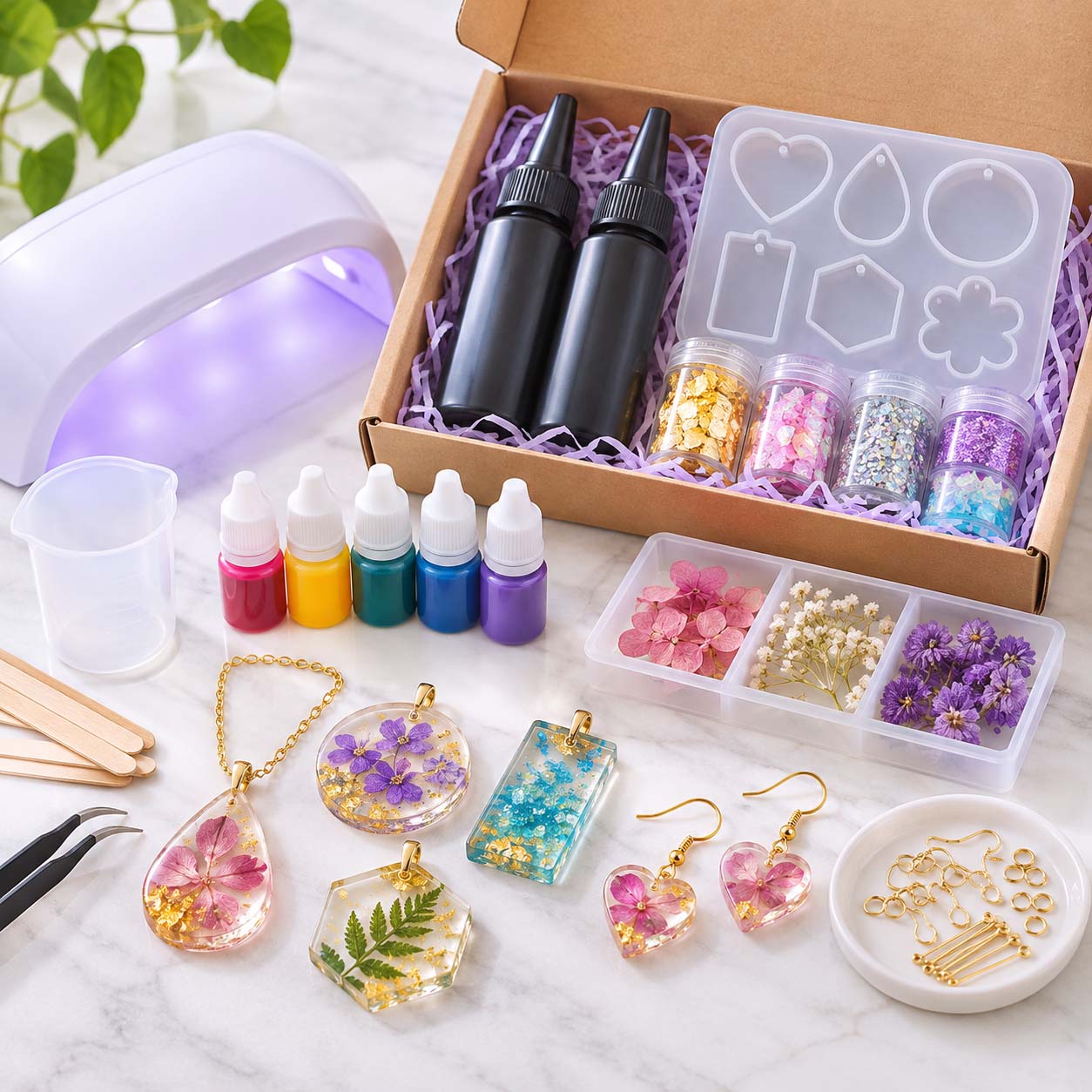 How to Customize a Private Label DIY Resin Kit: A Step-by-Step Guide for Brands